Strength, protection and the bears of Europe
The Bear Coat of Arms: Meaning and Design
Bears guard the arms of Berlin, Bern and Madrid, and a polar bear stands on the arms of Greenland. Here is what the bear means, how heralds draw it, and how to put one on a crest of your own. Designing is free and needs no account. When you love it, $9 gets the whole set: print-ready art (4000 px PNG and SVG), a certificate of arms explaining its meaning, a profile picture and a phone wallpaper. For a family gift or a wax seal, the $19 Heirloom set adds an engraving, seal, bookplates and a house banner. For a club, team or business, the $29 Logo Kit adds logo, icon, banner and brand files.
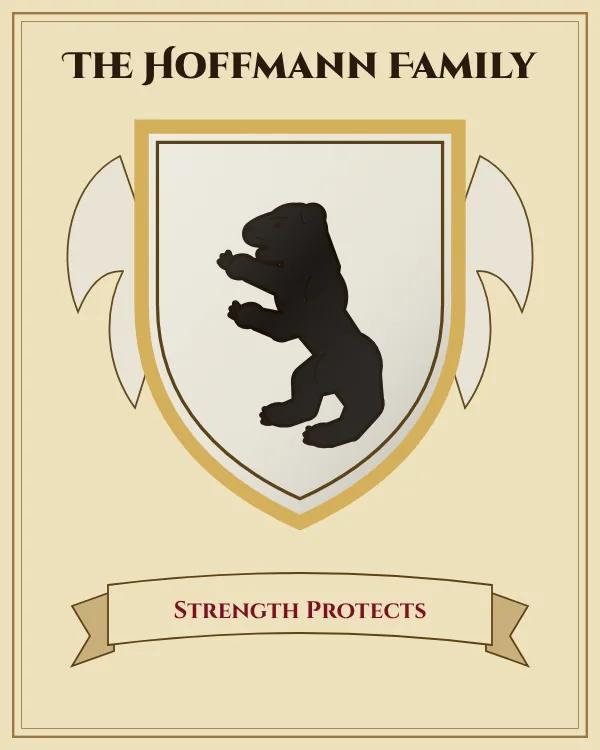
Strength Protects
Customize this crest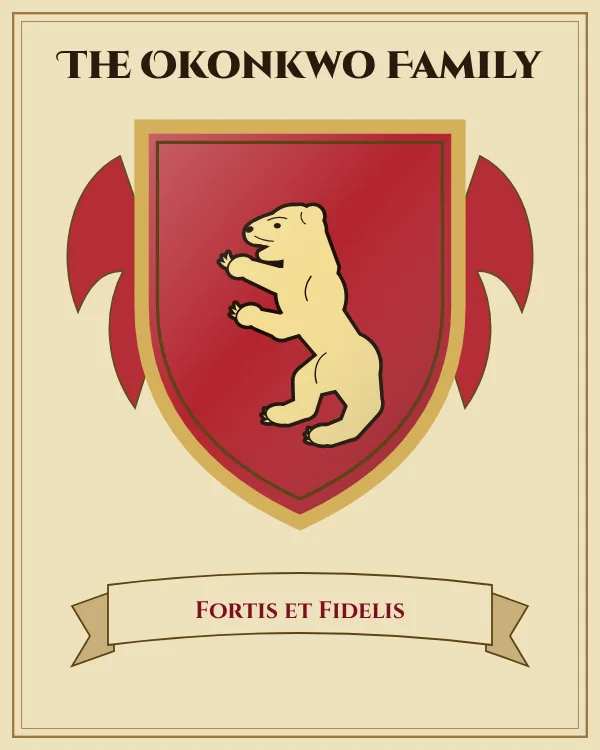
Fortis et Fidelis
Customize this crest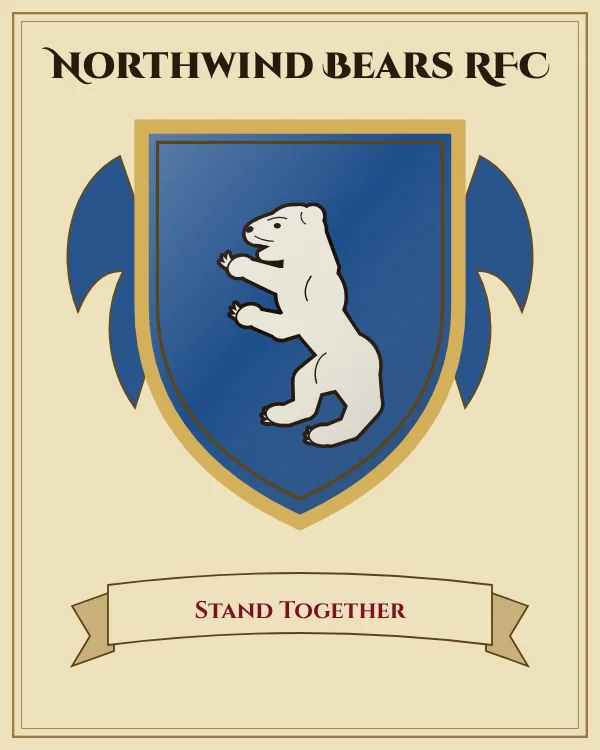
Stand Together
Customize this crest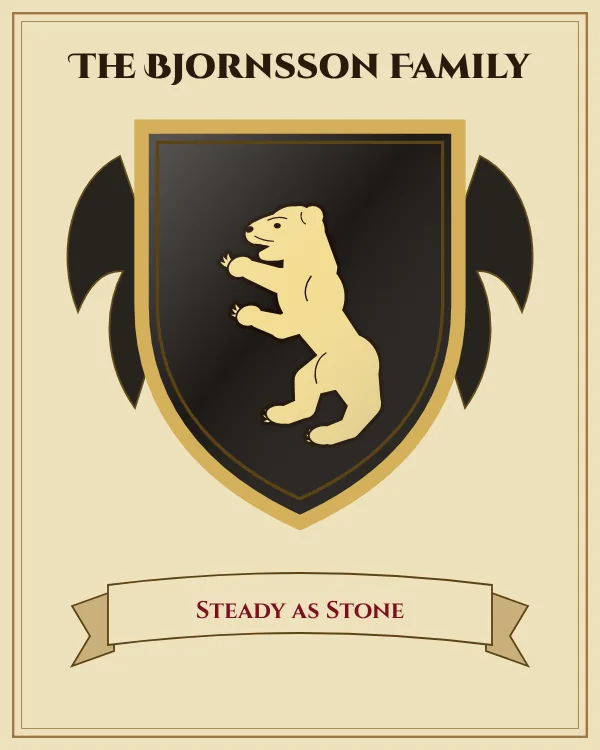
Steady as Stone
Customize this crest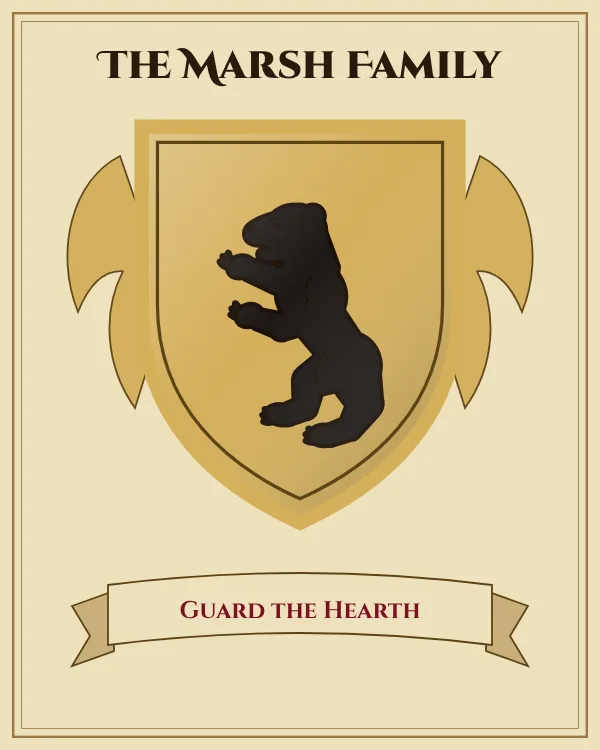
Guard the Hearth
Customize this crestWhat a bear means in heraldry
Strength, and the protection of family. A bear is slow to anger and terrifying once roused, which is exactly what most people want an emblem to say about the people they look after. Heraldic meanings were written down by later authors rather than set by any rule, so treat them as tradition, not law, but this one has stuck for good reason.
The bear is far less common in arms than the lion, which makes it a good choice if you want a strong beast that does not look like everyone else's. It was most at home in the heraldry of Germany, Switzerland and Spain, where real bears still roamed the forests when coats of arms were young. The German family crest guide explains why Berlin's bear is a pun on the city's name.
Famous bear arms
- Bern, Switzerland: a black bear walking up a gold diagonal band on a red field. The bear appears on the city's seals as early as 1224, and the city legend says Duke Berthold V of Zähringen named the new town after the first animal his hunters caught: a bear.
- Berlin, Germany: a black bear rearing up on a silver shield, with red tongue and claws, under a crown. The current design was adopted in 1954.
- Madrid, Spain: a black bear standing up against a strawberry tree, the madroño, inside a blue border with seven silver stars. The bear goes back to the medieval town council's banner.
- Greenland: a silver polar bear on a blue shield, adopted in 1989. The blue stands for the oceans around the island.
- Warwick, England: the bear and ragged staff, the badge of the medieval Earls of Warwick, still flies on the flag of Warwickshire.
These belong to their cities and countries, so treat them as inspiration and give your bear its own colors, name and motto.
Bear poses and their names
- Rampant: rearing on its hind legs with forepaws raised, as in Berlin. This is the bear drawn in Crest Studio.
- Passant: walking on all fours, as in Bern.
- Sejant: sitting upright.
- Statant: standing still with all four feet on the ground.
Heralds also use a bear's head on its own, cut off cleanly (couped) or with a jagged edge (erased). One old quirk: some English heraldry books said a bear should always be drawn wearing a muzzle unless the blazon said otherwise, so you will see many muzzled bears in older arms.
Designing your bear crest
Black on silver or gold
A black bear on silver or gold is the classic look of Berlin and Bern, and it reads clearly at any size. A silver bear on blue recalls the polar bear of the north. A gold bear on red or green feels warm and royal. All of these keep the heraldic rule of tincture: a metal against a color.
Names with a bear in them
Some names already carry a bear. Björn is the Scandinavian word for bear, and Ursula comes from the Latin ursa, a she-bear. A bear crest for a family or a person with a name like that is a quiet heraldic pun, the kind heralds have always loved.
For teams and clubs
A rearing bear is a natural badge for a rugby or hockey club, a scout troop or an online guild, because the silhouette stays bold even as a small icon. See clan and guild logos and the Crest Logo Kit.
Mottos
Try Fortis et Fidelis (strong and faithful), Fortitudine (by fortitude) or plain English such as "Guard the Hearth". The Latin motto generator has 50 more with translations. Comparing beasts? The lion and wolf guides cover the other two favorites.
Questions
What does a bear mean on a coat of arms?
Strength and the protection of family. Heraldic meanings come from later tradition rather than strict rules, but the bear has long been read as a powerful protector.
What is the difference between a bear rampant and a bear passant?
A bear rampant rears up on its hind legs with its forepaws raised, as on the arms of Berlin. A bear passant walks on all fours, as on the arms of Bern.
What does the Berlin coat of arms look like?
A black bear rampant, with red tongue and claws, on a silver shield under a crown. Bears have stood for Berlin for centuries, and the current design was adopted in 1954.
Can I put a bear on my family crest?
Yes. The bear is an ordinary heraldic beast open to anyone in an original design. Just avoid copying a city or national coat of arms exactly, and make the colors, name and motto your own.
Free to play, no download
Medieval games
Take a break from heraldry: eight free games, from a trebuchet siege to Viking chess. Your coat of arms rides with you in every one.
 The Usurper
 Trebuchet siege
 Viking chess
 Nine Men's Morris