A plain-English guide
Heraldry Symbols and Meanings
What the colors, divisions and emblems on a coat of arms traditionally mean, and how to use them to design a crest that says something true about you.
Heraldic colors (tinctures)
Heraldry calls its colors tinctures. There are two metals, five main colors and a few rarer "stains".
| Tincture | Plain English | Type | Traditional meaning |
|---|---|---|---|
| Or | Gold or yellow | Metal | Generosity and elevation of mind |
| Argent | Silver or white | Metal | Peace and sincerity |
| Gules | Red | Color | Courage, military strength, the warrior or martyr |
| Azure | Blue | Color | Truth and loyalty |
| Vert | Green | Color | Hope, joy and loyalty in love |
| Purpure | Purple | Color | Royal majesty, sovereignty and justice |
| Sable | Black | Color | Constancy, sometimes grief |
| Murrey | Mulberry, a dark red | Stain | Patience in battle |
The rule of tincture
Never put a metal on a metal or a color on a color. Gold on blue reads from across a field; red on blue blurs. Every example on this site follows the rule, and following it is the single easiest way to make a crest look authentic.
Divisions and ordinaries
The broad shapes that divide or cross the shield. Heralds call bands like the chevron and fess "ordinaries" and splits like per pale "partitions".
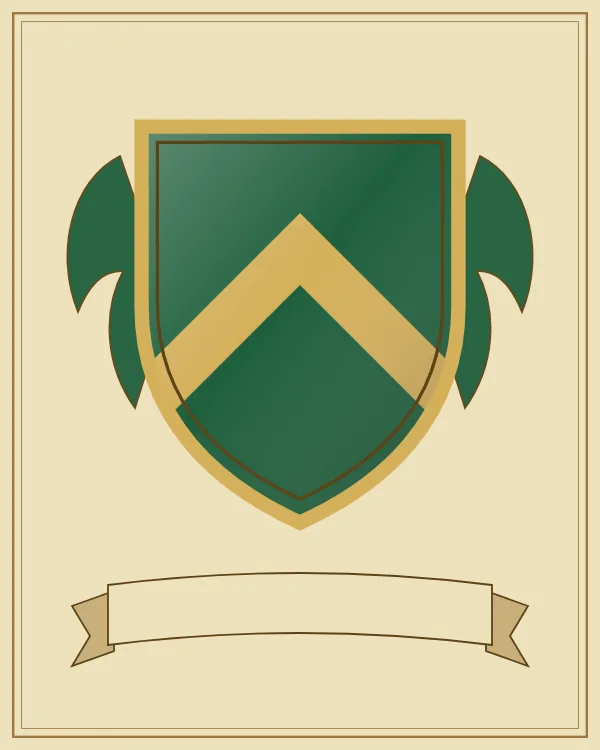
An inverted V. Often said to stand for protection or the roof of a house, which makes it a favorite for family crests.
Try a chevron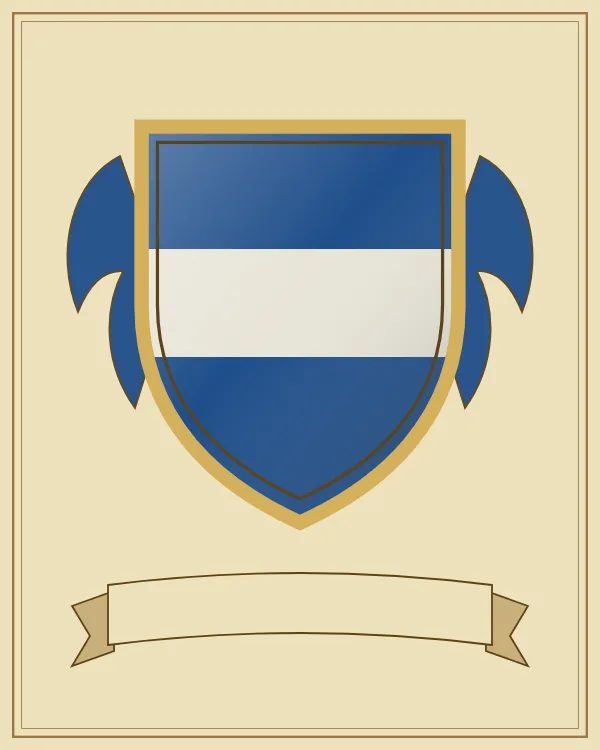
A horizontal band across the middle, often linked to a military belt and readiness to serve.
Try a fess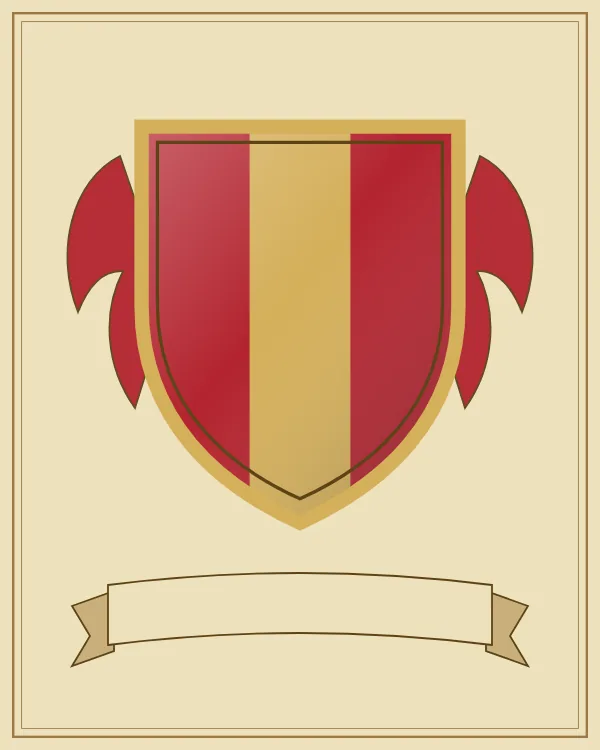
A vertical band down the center, often read as a palisade or fortification.
Try a pale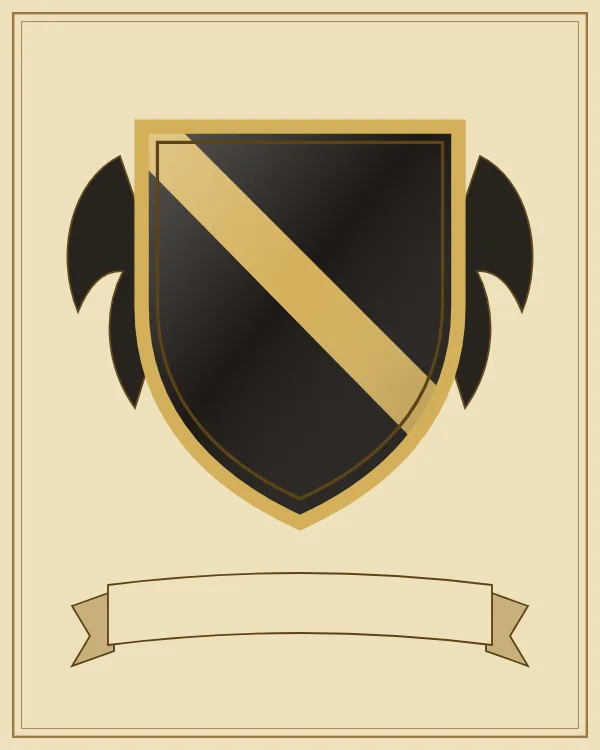
A diagonal band from the shield's top left (as you look at it) to bottom right, sometimes linked to a knight's sash.
Try a bend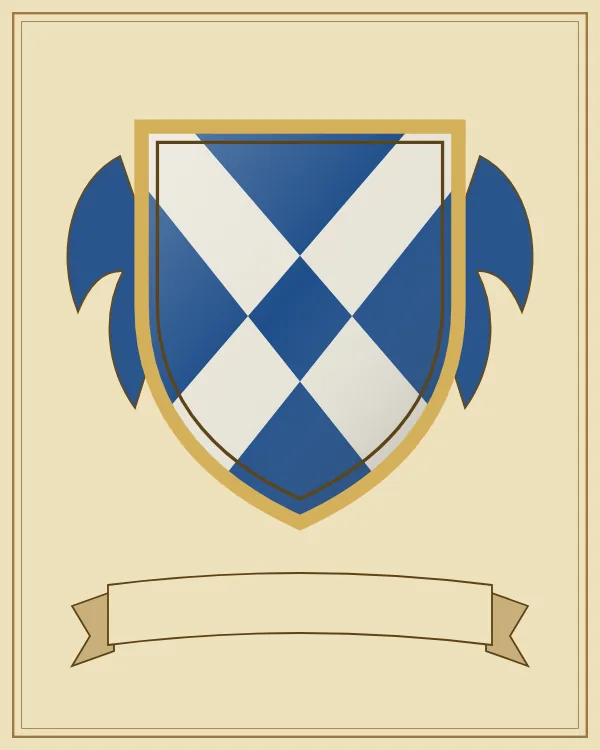
An X-shaped cross, the cross of Saint Andrew, often said to stand for resolution.
Try a saltire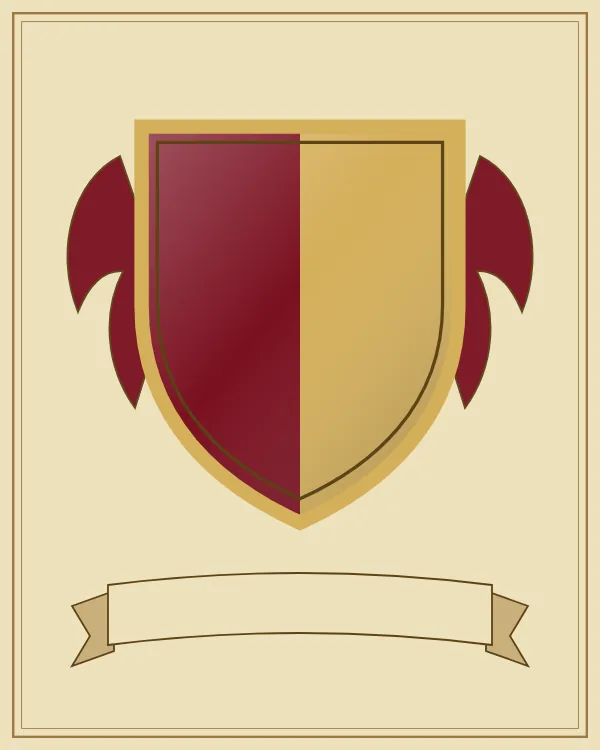
The shield split into two halves. Historically used to join two families side by side (impalement).
Try a per pale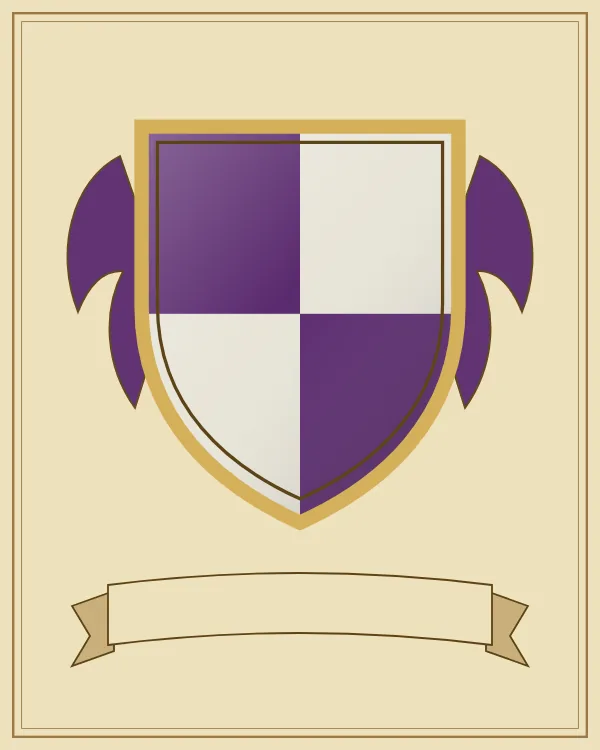
Four quarters, historically used to combine inherited arms. In a modern crest, four parts of one story.
Try a quarterly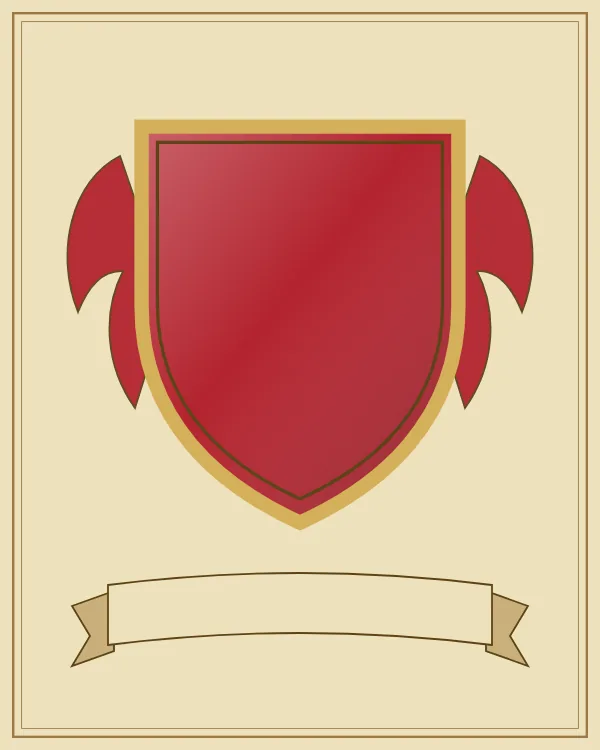
One color only. Rare and striking, used for some of the oldest and simplest arms.
Try a plainHeraldic animals and what they mean
Beasts are the most loved charges in heraldry. Each has a traditional pose with its own name: a lion rampant rears up, an eagle displayed spreads its wings, a stag's head caboshed looks straight at you. All of these are in Crest Studio, drawn in the bold, flat style of real heraldic art. Deeper guides: lion, eagle, dragon and wolf coats of arms.
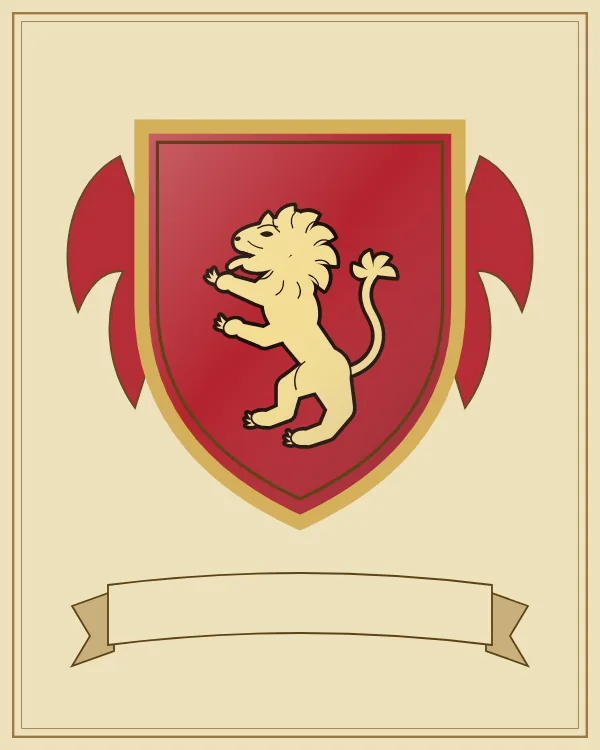
Courage and strength. The most common beast in heraldry; rampant (rearing on its hind legs) is its classic pose.
Use this emblem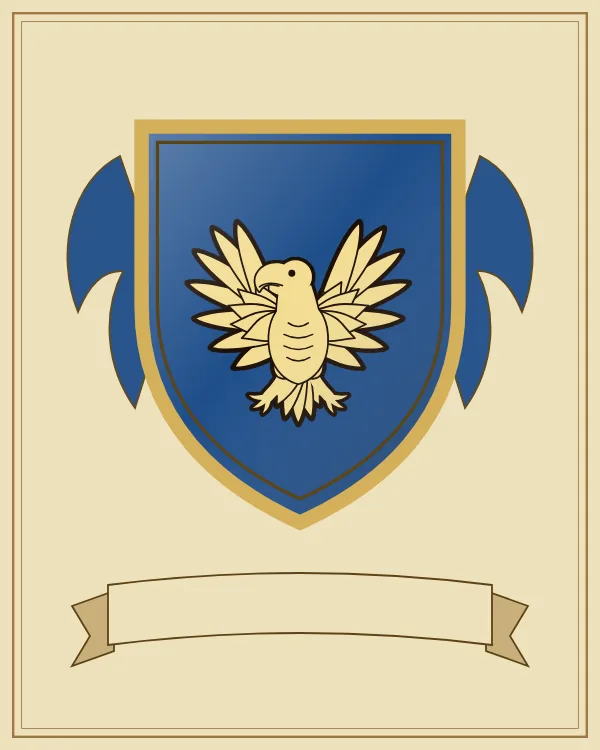
Nobility, strength and a lofty spirit. Shown displayed, wings spread, it is the emblem of empires and of anyone who aims high.
Use this emblem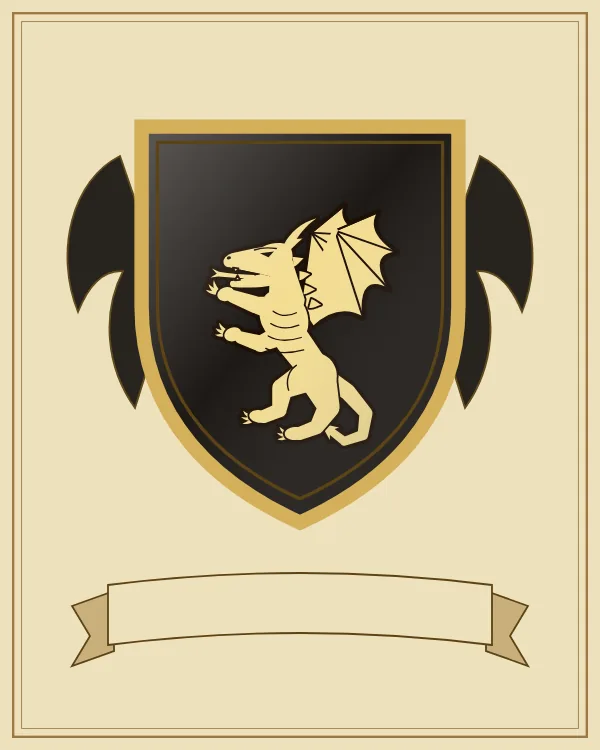
A valiant defender of what it holds dear. The red dragon of Wales is the most famous.
Use this emblem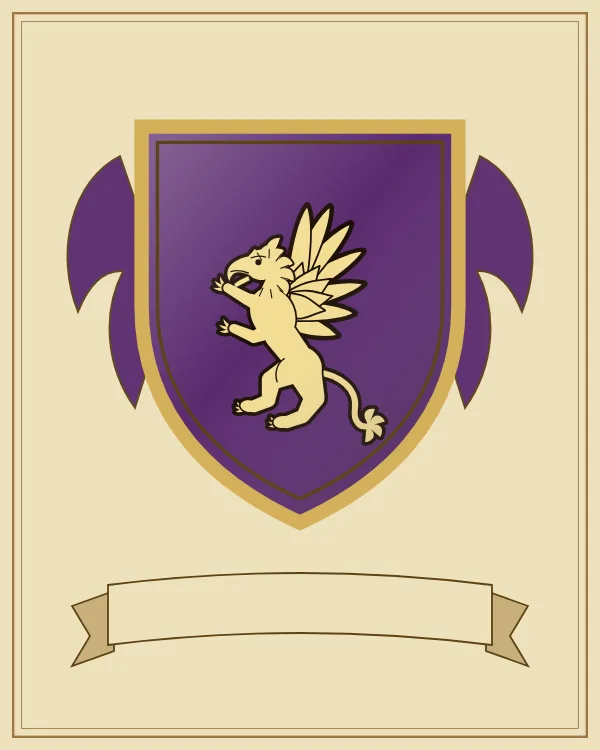
Half eagle and half lion: vigilance and courage, the legendary guardian of treasure.
Use this emblem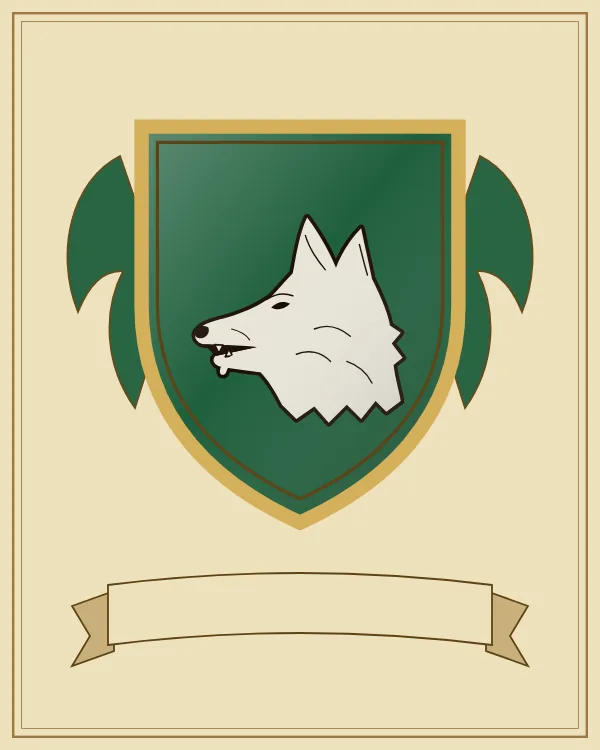
Valor, perseverance and loyalty. Often shown as a head "erased", torn off at the neck, as here.
Use this emblem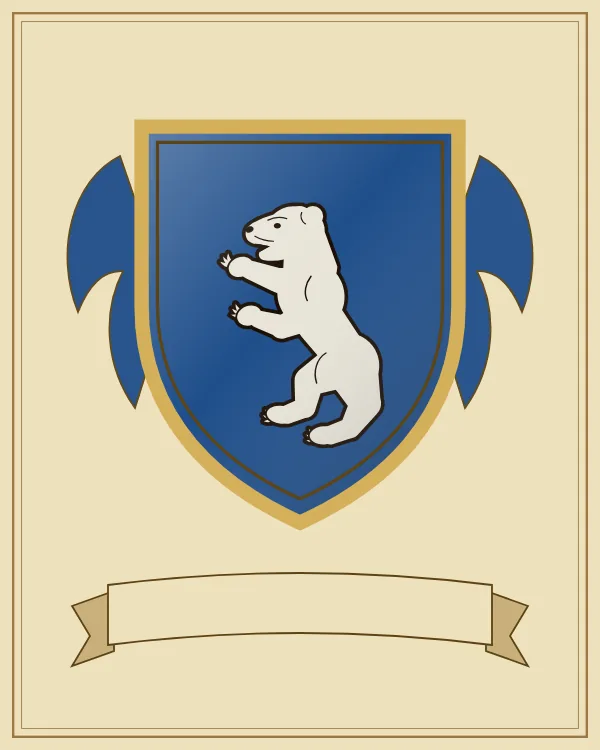
Strength and the protection of family. The bear is the emblem of both Berlin and Bern.
Use this emblem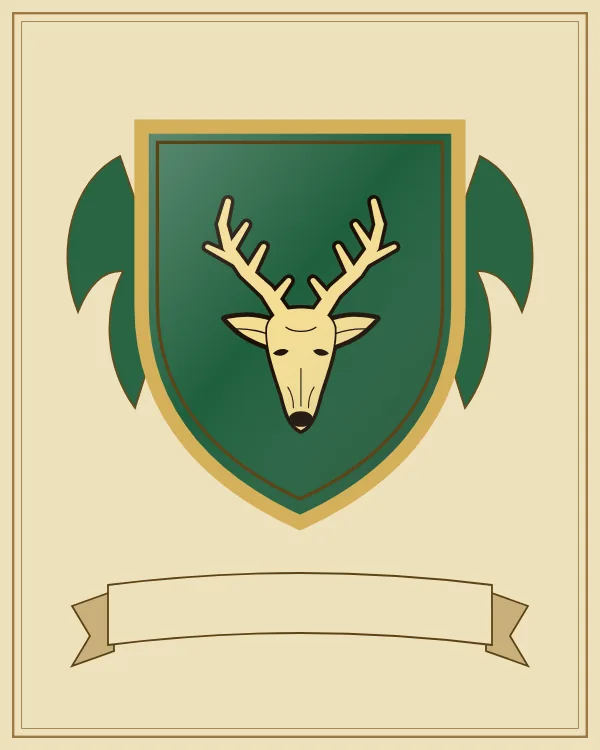
Peace and harmony: one who will not fight unless provoked. A head shown facing out is "caboshed".
Use this emblem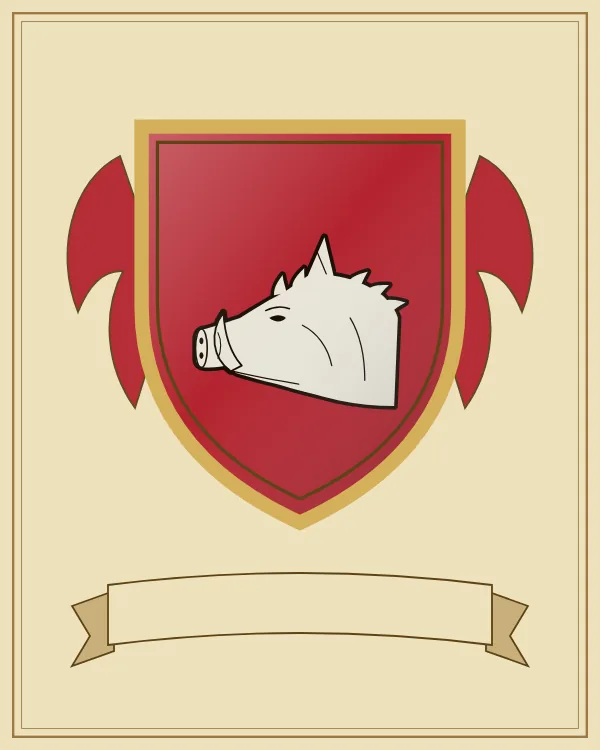
Bravery: a fierce fighter that never retreats. The boar's head is common in Scottish and English arms.
Use this emblem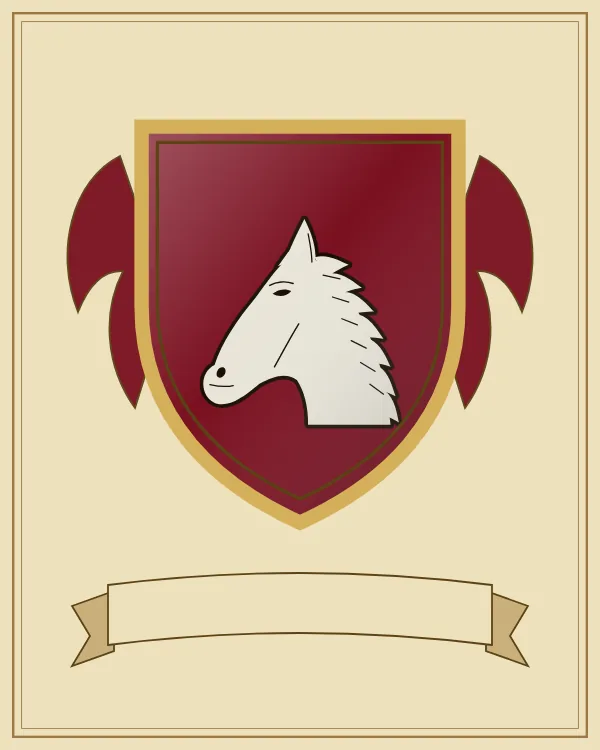
Readiness to serve, speed and loyalty.
Use this emblem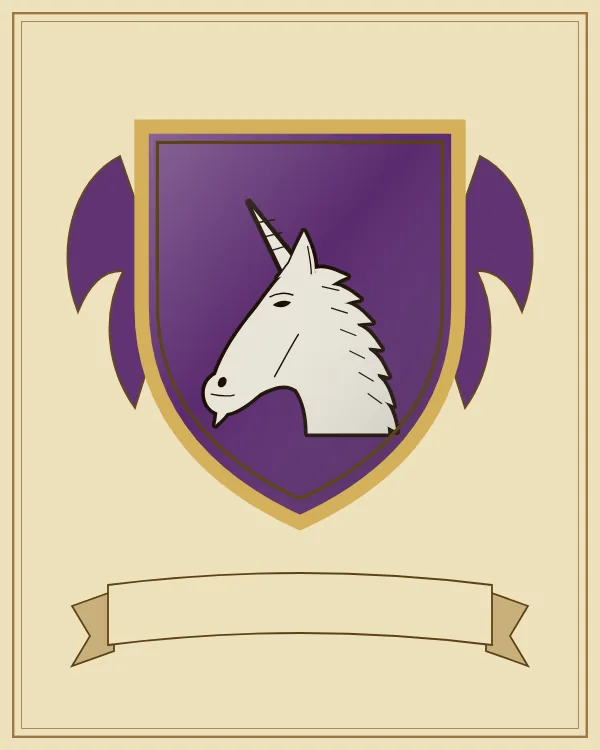
Purity, strength and courage. The unicorn is the national animal of Scotland.
Use this emblem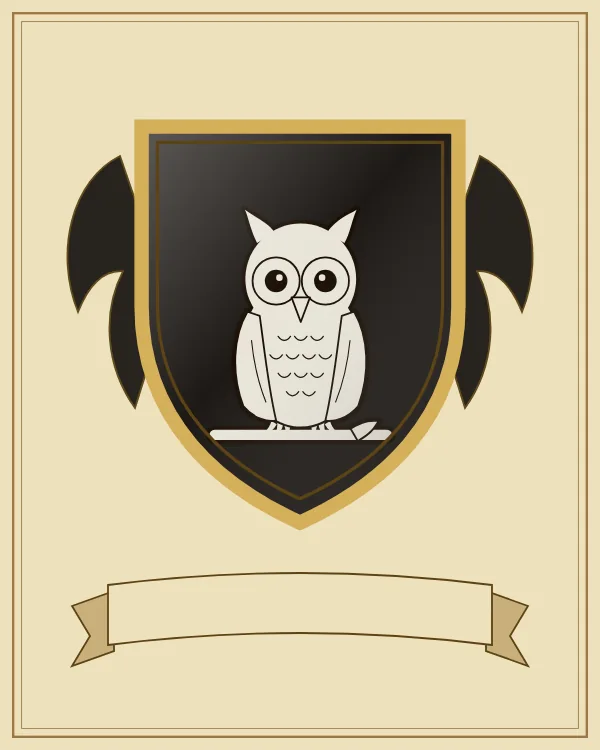
Wisdom and vigilance, a favorite for schools, libraries and scholars.
Use this emblem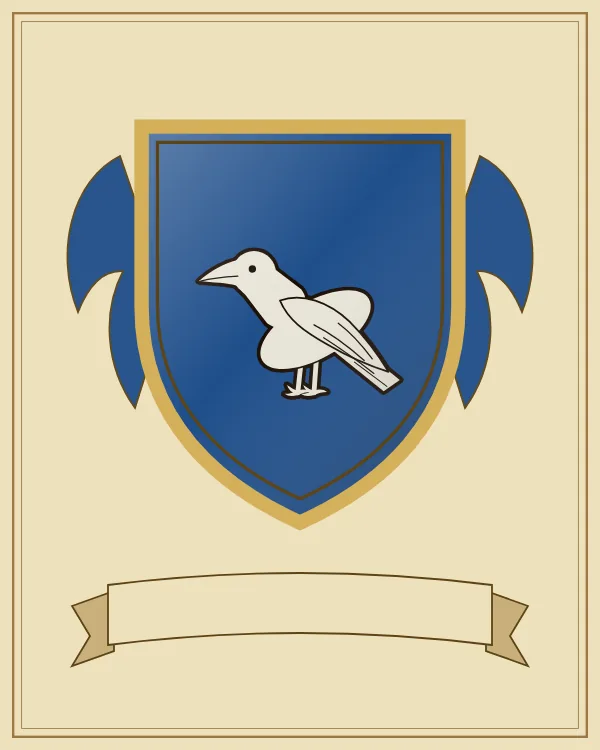
Wisdom and foresight. In Norse stories, two ravens carried news to Odin.
Use this emblem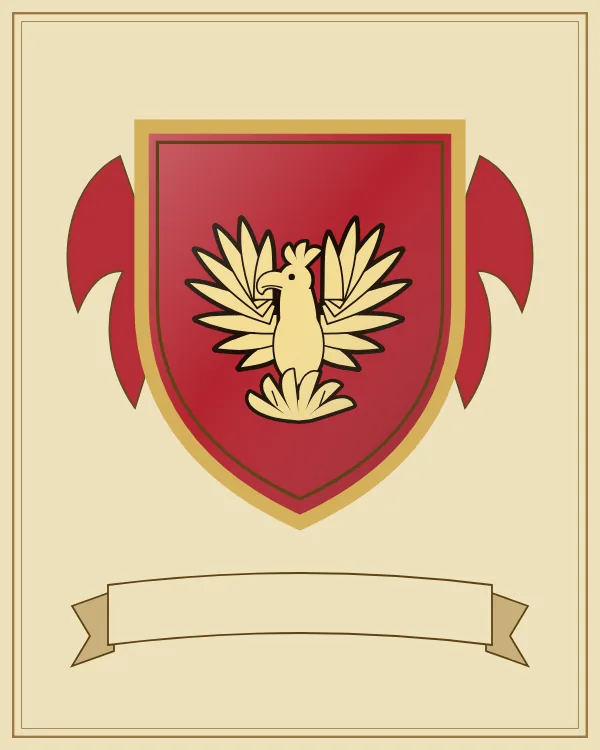
Renewal: rising again, stronger, from the flames.
Use this emblem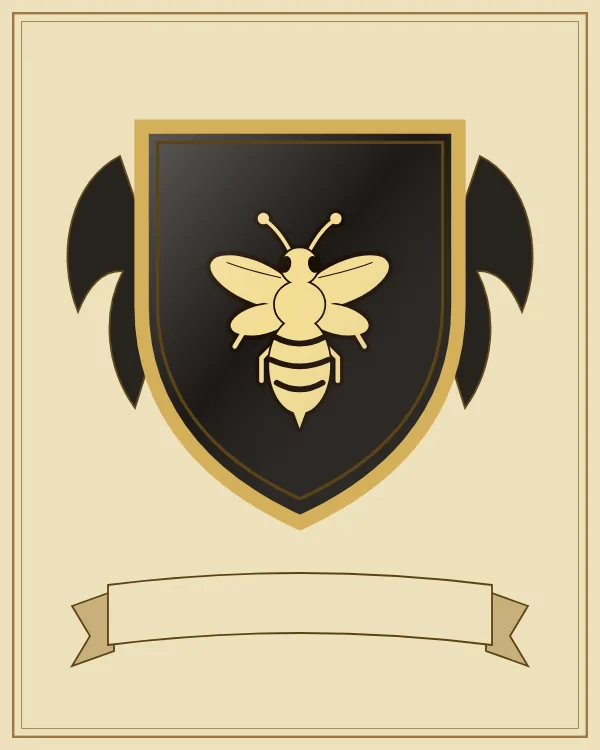
Industry and hard work. Napoleon chose golden bees as an emblem of his empire.
Use this emblemSymbols and emblems (charges)
Anything placed on the shield is a charge. These are some of the 50 emblems in Crest Studio. Cadency marks, mentioned below, were small symbols English heralds used to tell sons of the same father apart.
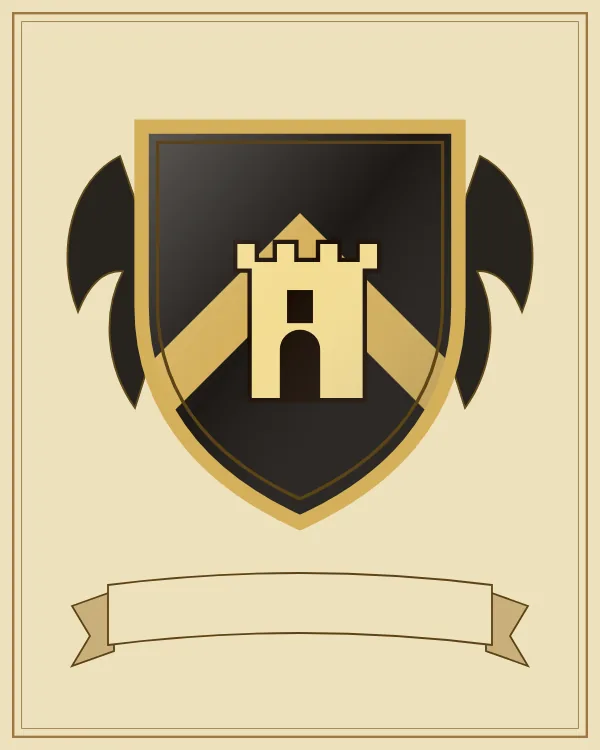
Defense, protection and the safety of a home. A good emblem for a family or a border house.
Use this emblem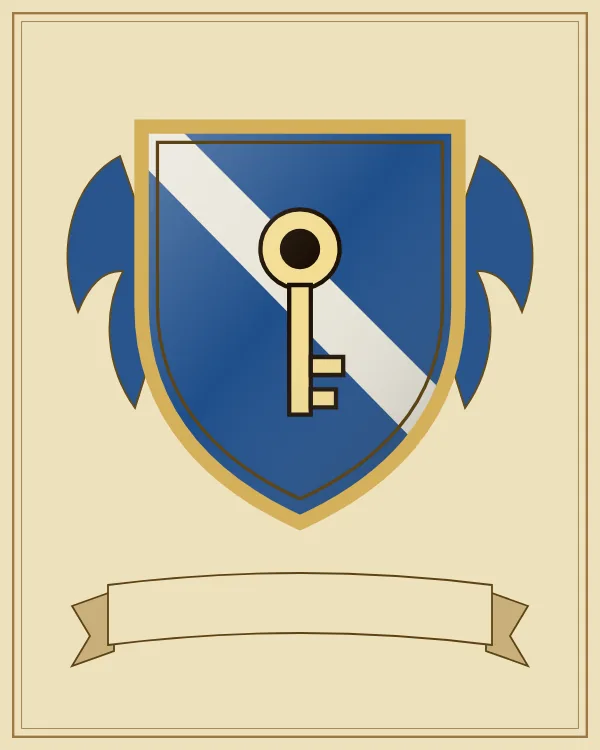
Guardianship and trust. Keys are the emblem of Saint Peter, keeper of the keys of heaven.
Use this emblem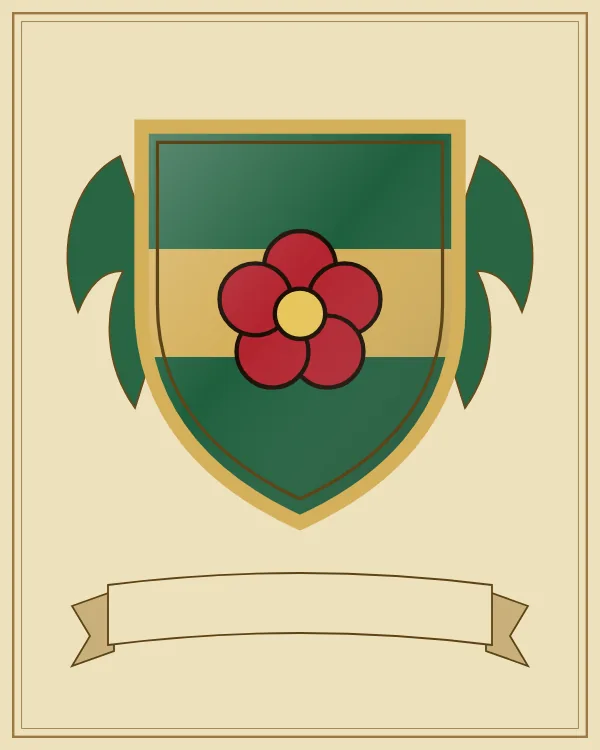
Hope and joy. The Tudor rose united the red rose of Lancaster and the white rose of York. In English cadency, a seventh son.
Use this emblem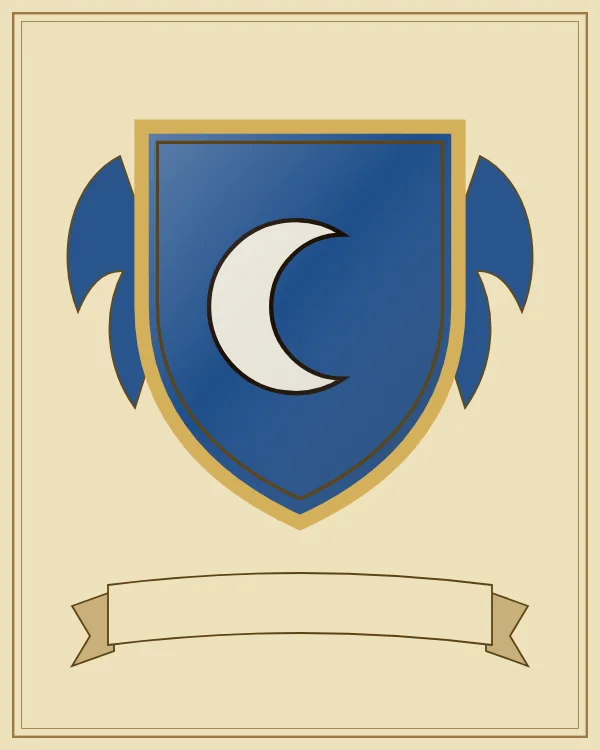
Hope of greater glory. In English cadency marks, the second son.
Use this emblem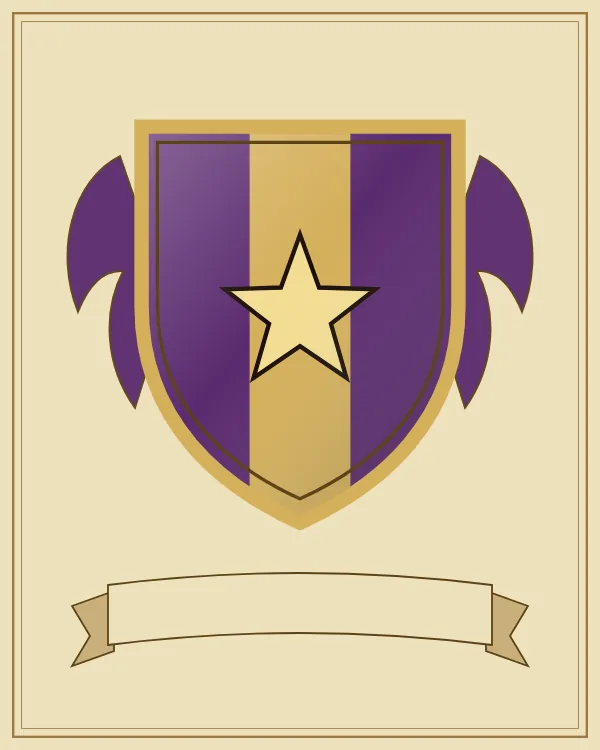
A five-pointed star, originally a spur rowel. Read as a person who shines. In English cadency, a third son.
Use this emblem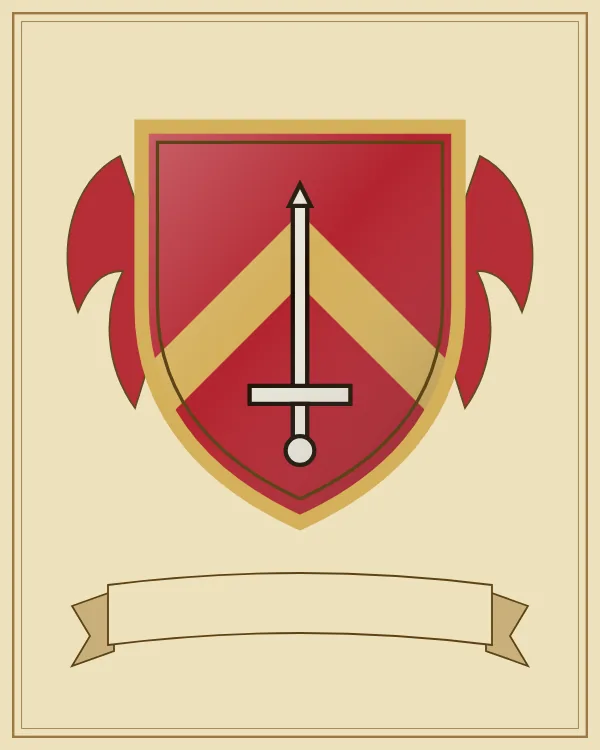
Justice and military honor.
Use this emblem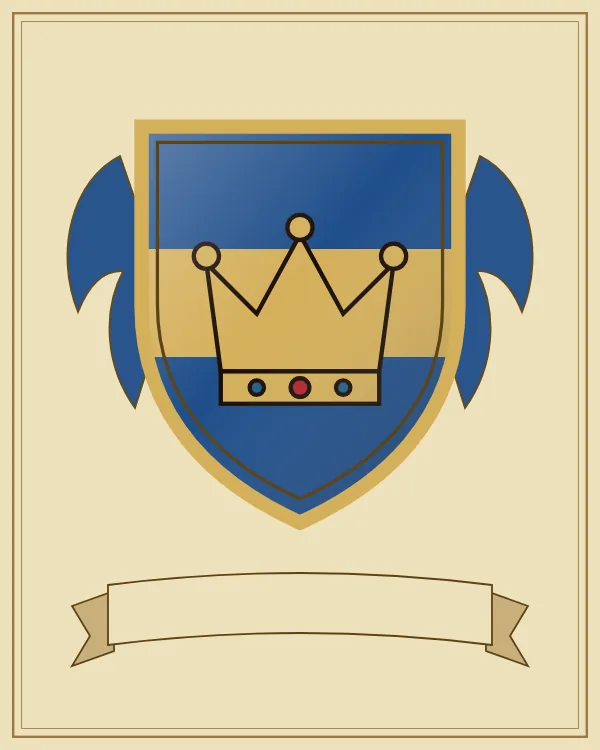
Authority, victory, or loyalty to a sovereign.
Use this emblem
A modern touch: your family or house initial, monogram style.
Use this emblem
A stylized lily standing for purity and light, and the royal emblem of France.
Use this emblem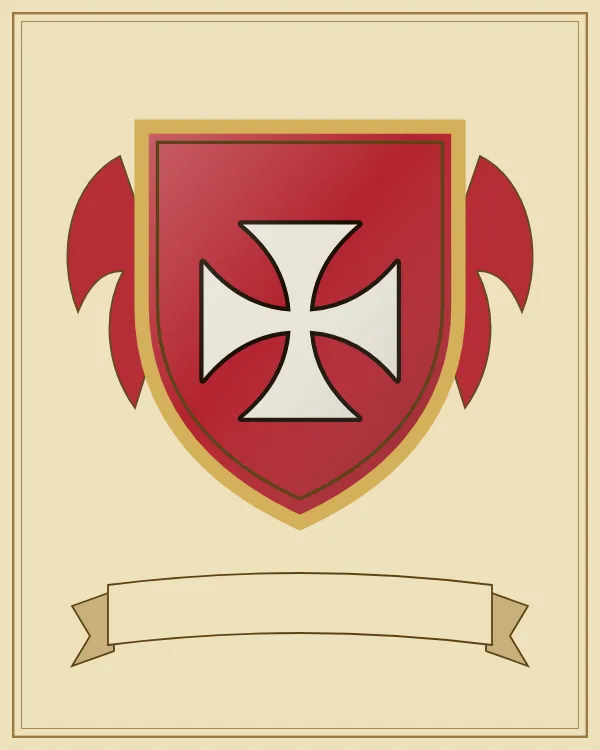
Faith and service. This flared form, the cross formy (or pattée), recalls the crusading orders.
Use this emblem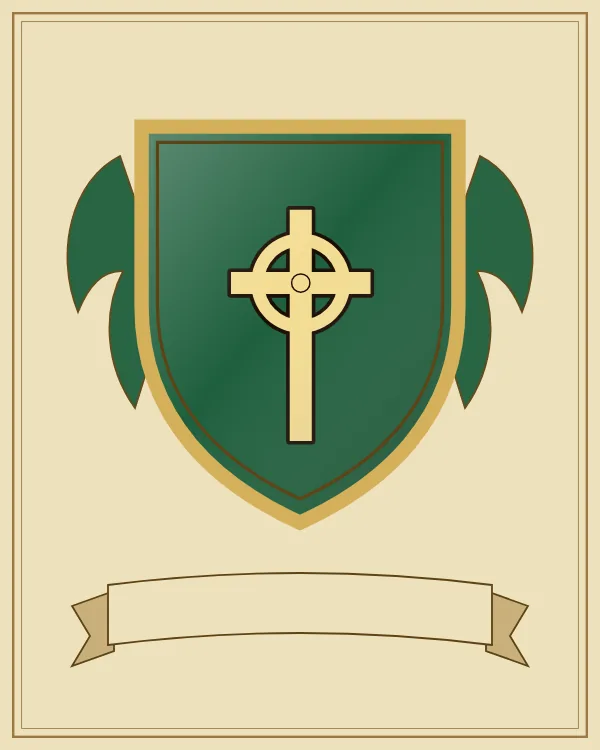
A cross with a ring around its arms: the high cross of Ireland and Scotland.
Use this emblem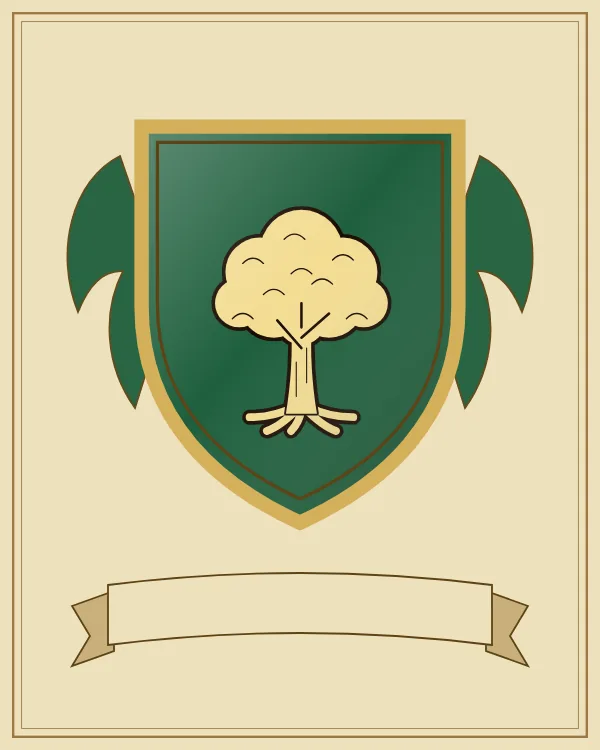
Strength, endurance and deep family roots. Shown with its roots, heralds call it "eradicated".
Use this emblem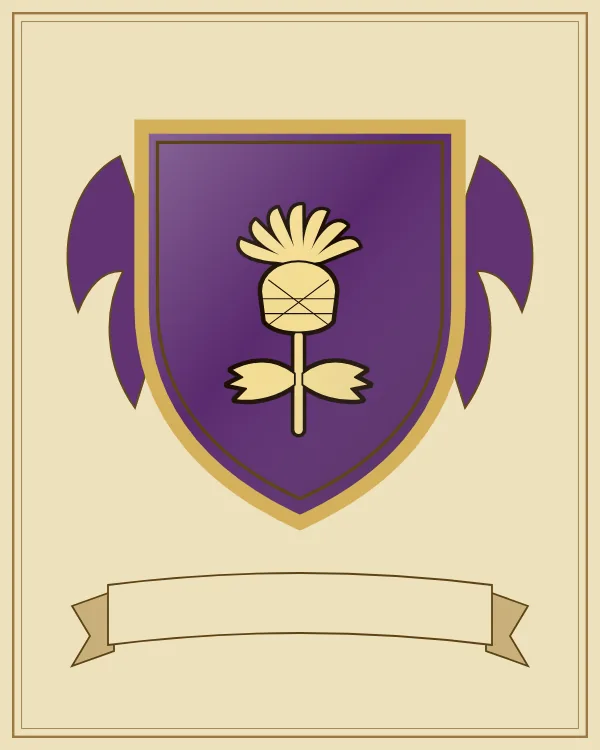
The emblem of Scotland, standing for courage and defiance.
Use this emblem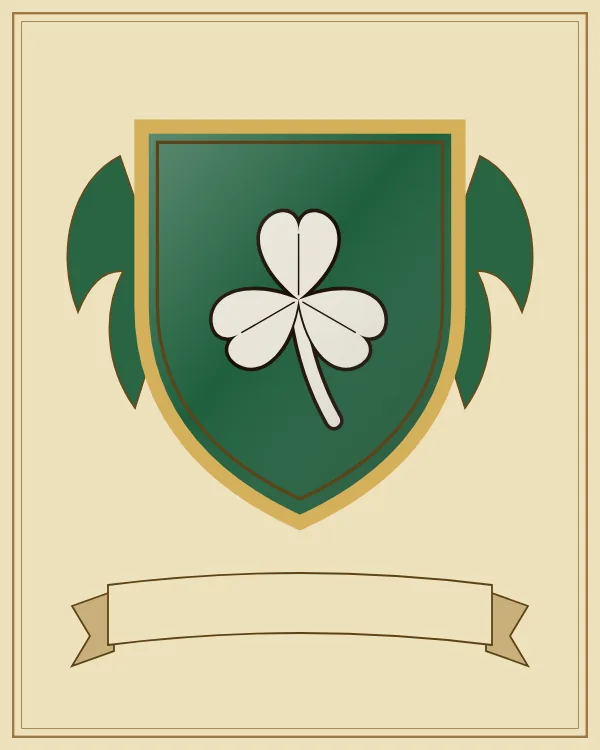
The emblem of Ireland, standing for faith and good fortune.
Use this emblem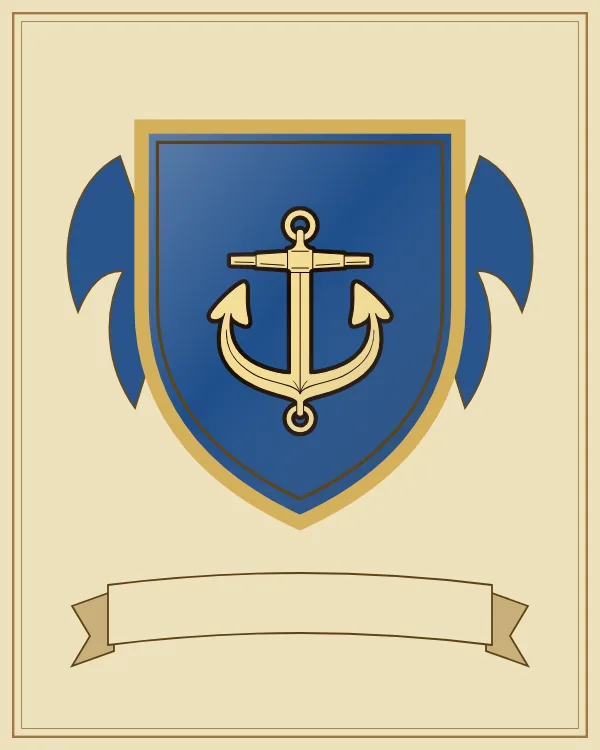
Hope and steadfastness, and a natural choice for seafaring families.
Use this emblem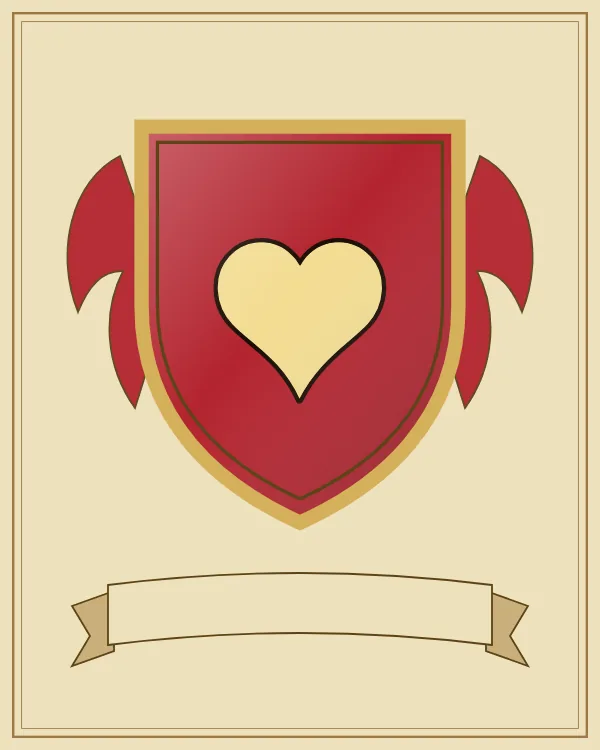
Charity and sincerity.
Use this emblem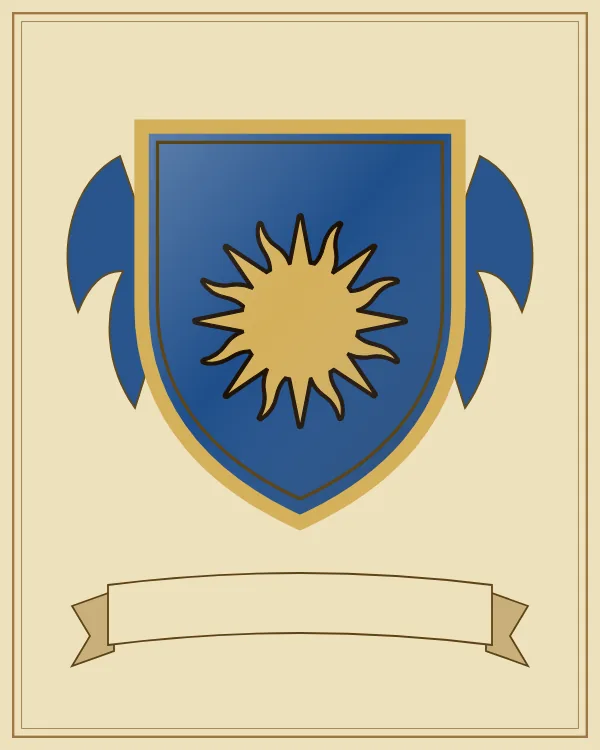
Glory and splendor.
Use this emblem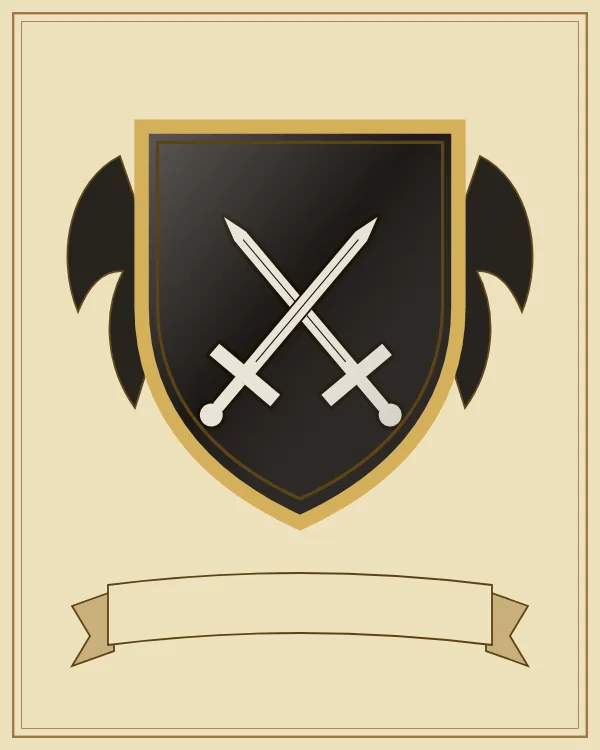
Honor and readiness to defend.
Use this emblem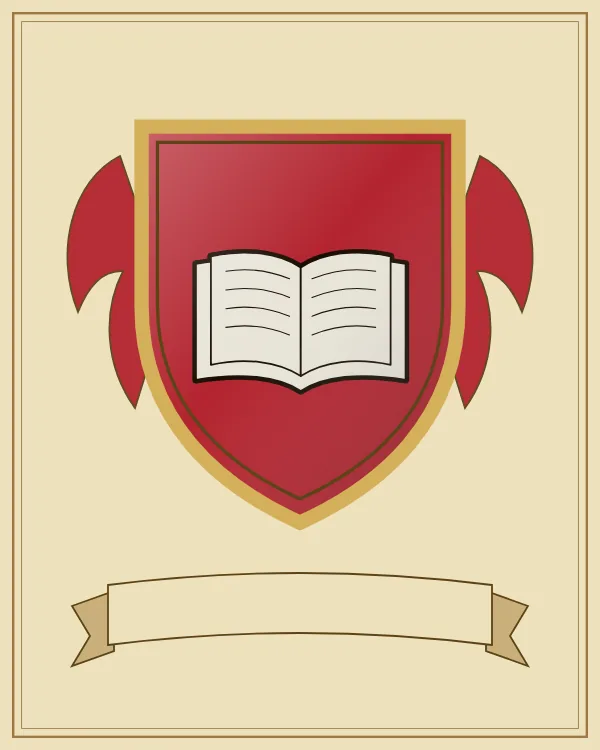
Learning and knowledge, common in the arms of universities and schools.
Use this emblem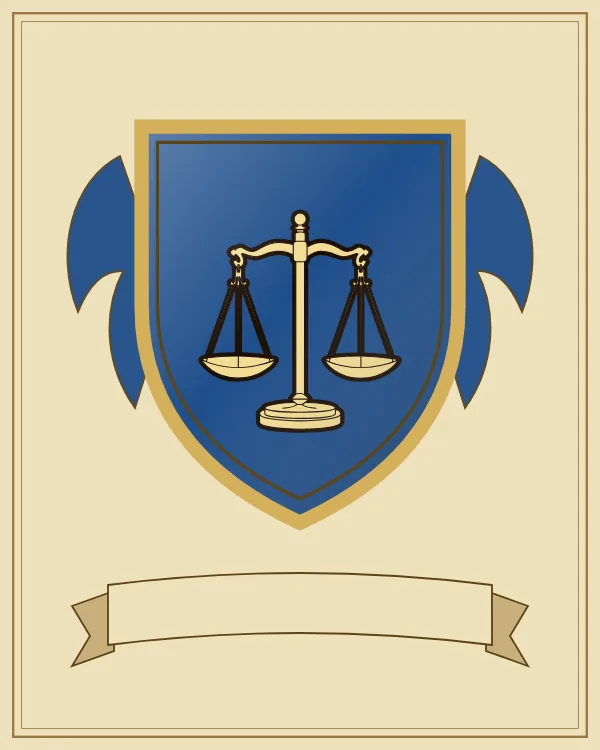
Justice and fairness, a favorite for lawyers and judges.
Use this emblem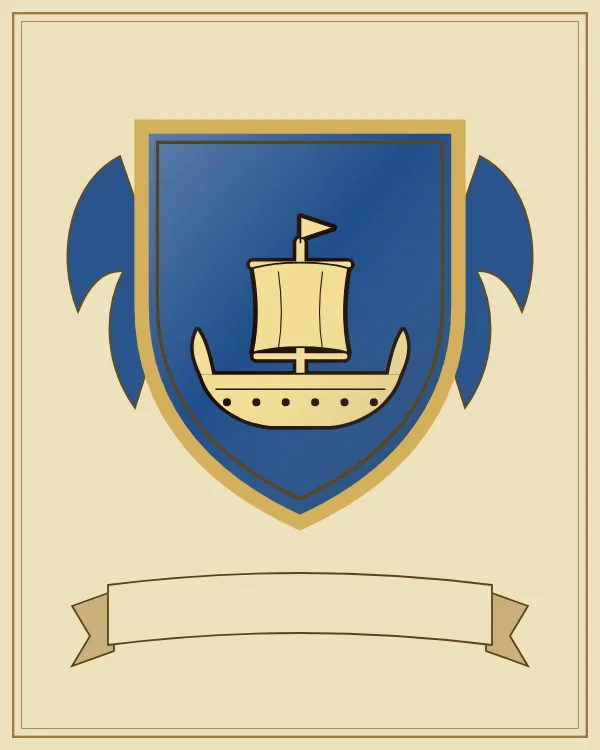
Voyages, trade and adventure across the sea.
Use this emblem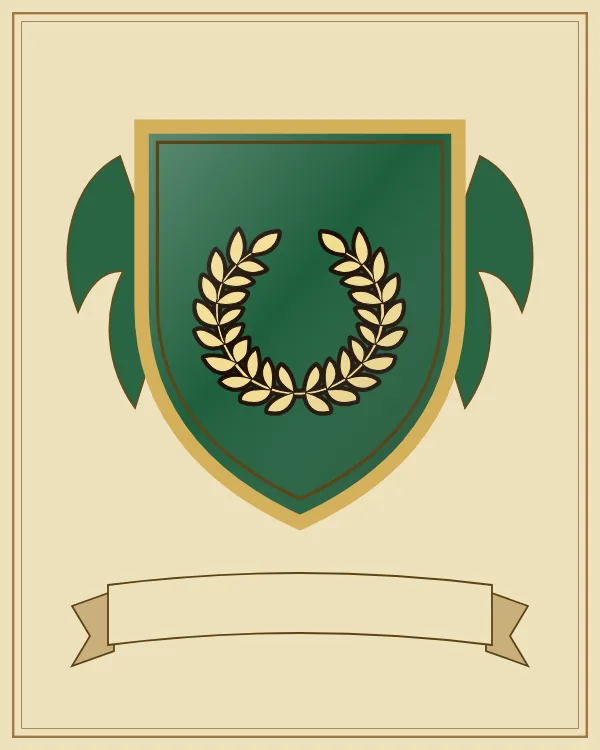
Victory and achievement.
Use this emblemPut it together
- Pick a metal and a color whose meanings fit you (say, Azure for loyalty and Or for generosity).
- Choose a division with a story (a chevron for a family home, per pale to join two families).
- Add one emblem (a key for the family that keeps everyone together).
- Finish with a motto from the Latin motto generator or your own words.
Questions
Did medieval knights choose colors for their meaning?
Mostly no. Early heraldry was about being recognizable. The symbolic meanings of colors and charges were written down later, largely by heraldic authors in the 1500s and 1600s, and they vary from book to book. They are a fine source of inspiration for a modern crest.
What is the rule of tincture?
Never put a metal on a metal or a color on a color. Gold and silver are metals; red, blue, green, purple and black are colors. Gold on blue is correct; red on blue breaks the rule and is hard to read at a distance.
What does a crescent mean on a coat of arms?
It is often said to stand for hope of greater glory. In English heraldry a small crescent is also the cadency mark of a second son.
What does a star (mullet) mean in heraldry?
A mullet is a five-pointed star, originally the rowel of a spur. It is often read as a sign of a person who shines or of divine favor, and in English cadency it marks a third son.
What does a lion mean on a coat of arms?
Courage and strength. The lion is the most common animal in heraldry. Rearing on its hind legs it is "rampant"; walking past with one forepaw raised it is "passant".
What does an eagle mean on a coat of arms?
Nobility, strength and a lofty spirit. An eagle with its wings spread is "displayed"; it has been the emblem of empires from Rome to Germany.
What does a wolf mean in heraldry?
Valor, perseverance and loyalty. Wolves often appear as a head "erased", torn off at the neck with a jagged edge.
Free to play, no download
Medieval games
Take a break from heraldry: eight free games, from a trebuchet siege to Viking chess. Your coat of arms rides with you in every one.
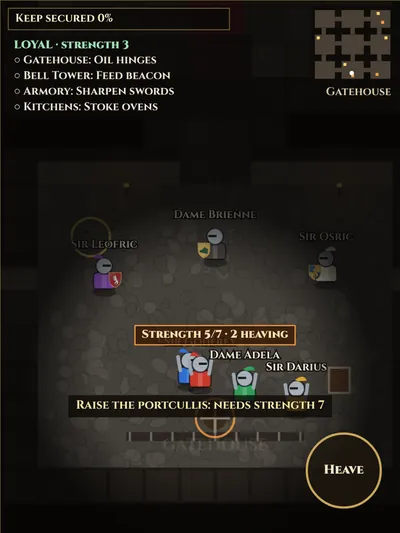 The Usurper
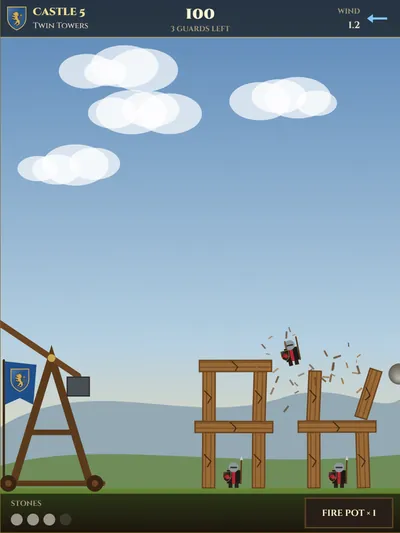 Trebuchet siege
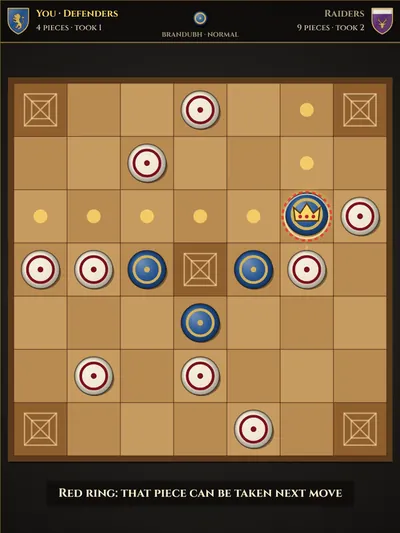 Viking chess
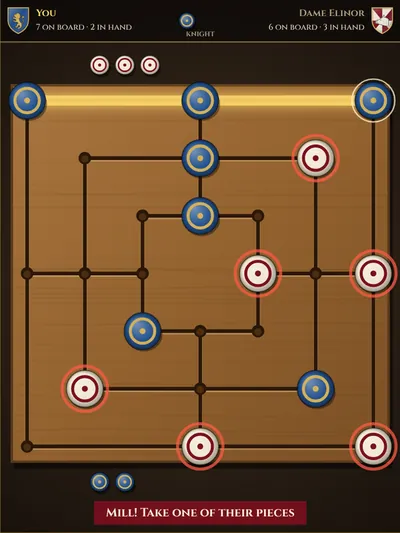 Nine Men's Morris