The most popular beast in heraldry
The Lion Coat of Arms: Meaning and Design
The lion has been the favorite animal of heralds since the 1100s. Here is what it stands for, how heralds draw it, and how to put one on your own family crest. Designing is free and needs no account. When you love it, $9 gets the whole set: print-ready art (4000 px PNG and SVG), a certificate of arms explaining its meaning, a profile picture and a phone wallpaper. For a family gift or a wax seal, the $19 Heirloom set adds an engraving, seal, bookplates and a house banner. For a club, team or business, the $29 Logo Kit adds logo, icon, banner and brand files.
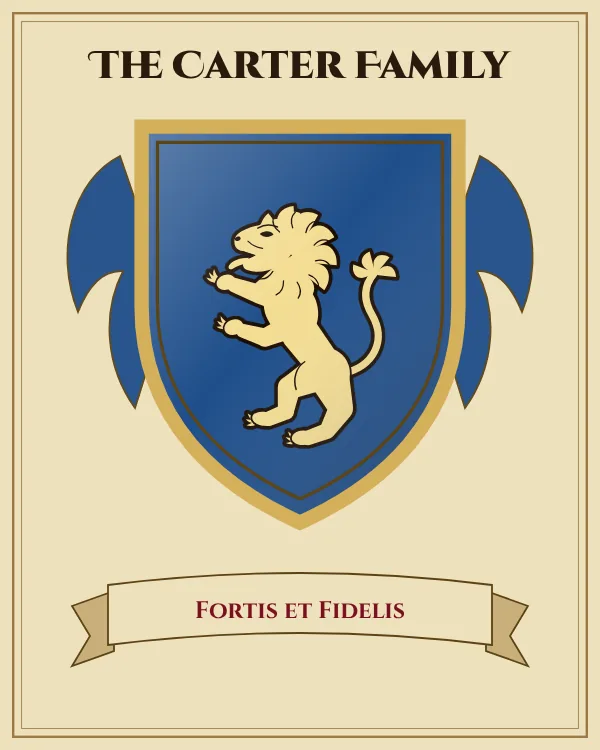
Fortis et Fidelis
Customize this crest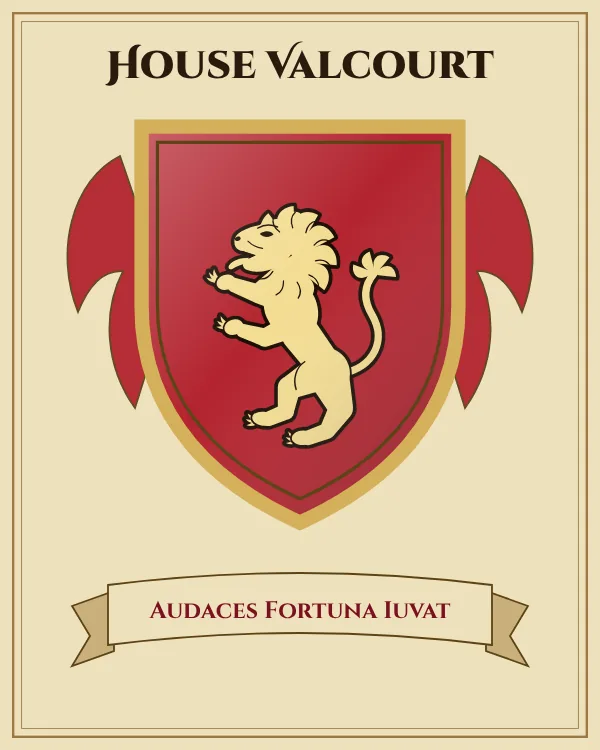
Audaces Fortuna Iuvat
Customize this crest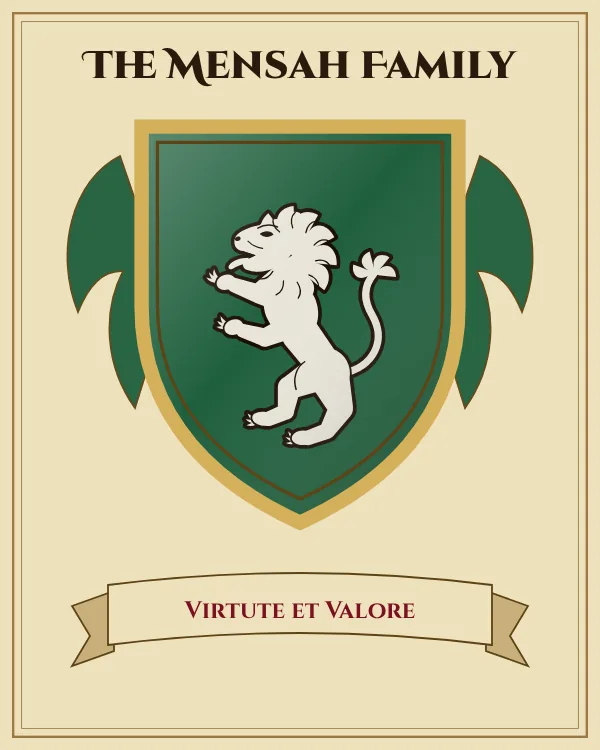
Virtute et Valore
Customize this crest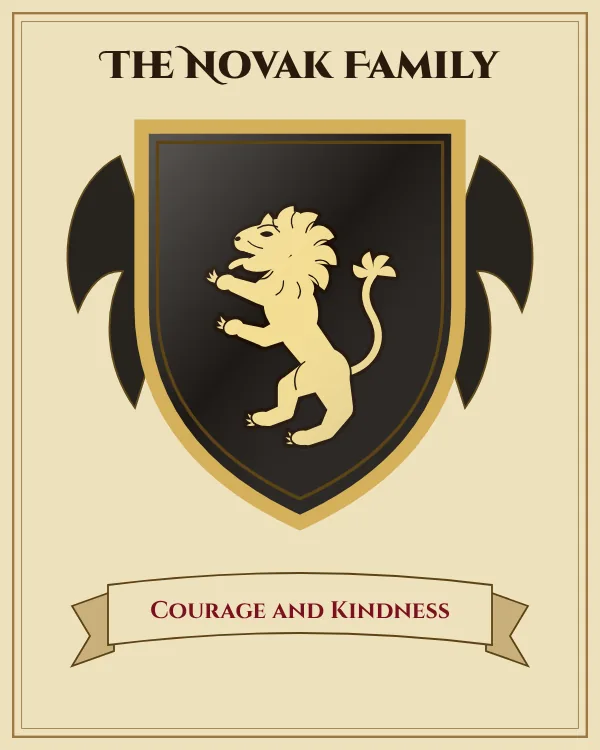
Courage and Kindness
Customize this crest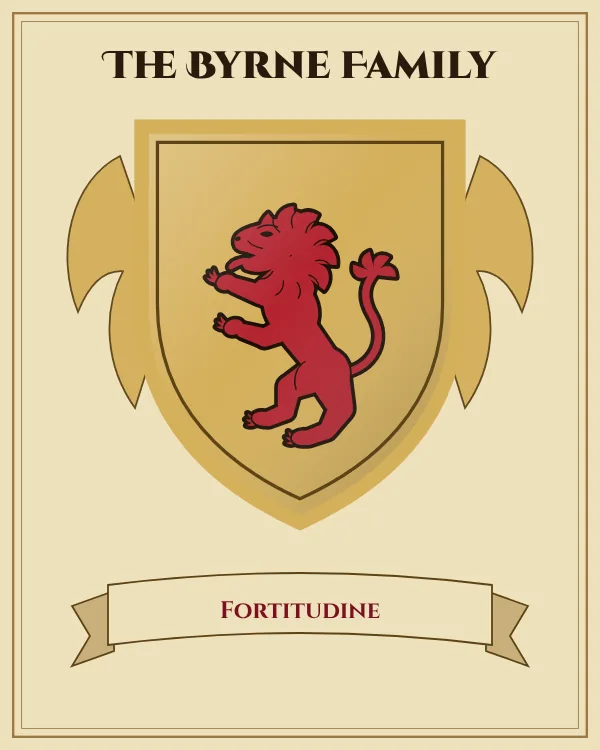
Fortitudine
Customize this crest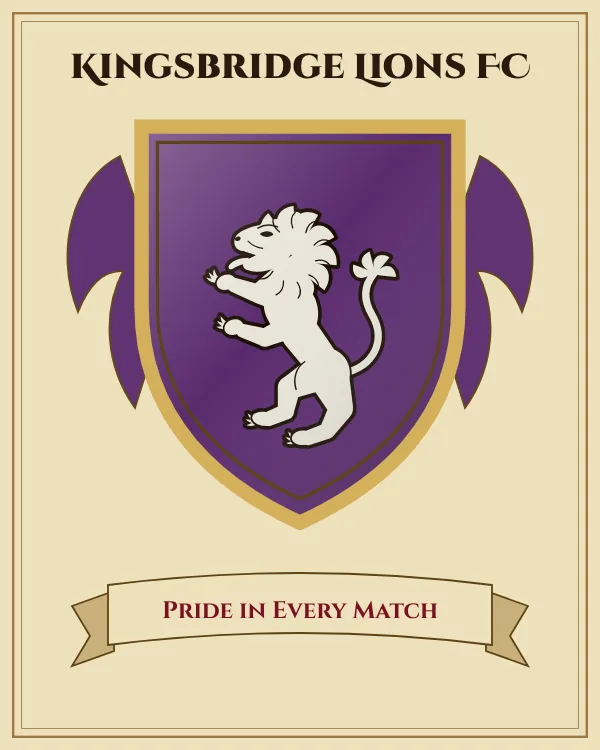
Pride in Every Match
Customize this crestWhat a lion means on a coat of arms
Courage, strength and valor. Medieval writers called the lion the king of beasts, and heraldry took it up almost at once: one of the oldest pictures of a coat of arms, the enamel portrait of Geoffrey Plantagenet made around 1151, shows him with a blue shield covered in small gold lions. Within a century lions were everywhere, on the shields of kings, knights and merchant families alike.
Because it is so common, a lion on its own does not point to any one family. What makes a lion coat of arms yours is everything around it: your colors, your name across the top and a motto you actually live by.
Lion poses and their names
Heralds have a word for every attitude a lion can take. The main ones:
- Rampant: rearing up on one hind leg, forepaws raised to strike. The classic fighting lion, and the one drawn in Crest Studio.
- Passant: walking past with the right forepaw raised, like the three lions of England.
- Guardant: any pose with the face turned to look straight at you.
- Sejant: sitting upright.
- Couchant: lying down with the head raised, at rest but alert.
- Statant: standing with all four feet on the ground.
Heraldic lions usually show their tongue and claws, which heralds describe as "armed and langued", often in red.
Famous lion arms
- England: three gold lions passant guardant on red, used by English kings since Richard I in the 1190s.
- Scotland: a red lion rampant on gold inside a double border decorated with fleurs-de-lis, still the royal banner of Scotland.
- Belgium: a gold lion rampant on black, inherited from the old Duchy of Brabant.
- Norway: a crowned gold lion rampant holding an axe, on red.
These belong to nations and royal houses, so treat them as inspiration rather than copying them. A different color pair plus your own name and motto are enough to make a lion yours.
Designing your lion crest
Pick a strong color pair
Gold on red, gold on blue and silver on green are the classics. A red lion on gold works too: heraldry's one firm rule is to put a metal (gold or silver) against a color, never color on color or metal on metal. The meanings guide explains what each color stands for.
Keep the field simple
A lion is a busy shape, so it looks best on a plain field. Save chevrons and saltires for simpler emblems such as a star or a key.
Choose a motto
Lion crests suit mottos about courage: Fortis et Fidelis (strong and faithful), Audaces Fortuna Iuvat (fortune favors the bold) or Virtute et Valore (by virtue and valor). The Latin motto generator has dozens more, each with a translation.
Questions
What does a lion mean on a coat of arms?
Courage, strength and valor. The lion has been the most common beast in heraldry since the 1100s, chosen by kings, knights and families alike.
What is the difference between a lion rampant and a lion passant?
A lion rampant rears up on one hind leg with its forepaws raised. A lion passant walks past with one forepaw raised and the other three on the ground. Rampant is the fighting pose.
Why are some heraldic lions called leopards?
In early heraldry written in French, a lion walking and looking at the viewer (passant guardant) was called a leopard. The three lions of England were blazoned as leopards for centuries, although they are drawn as lions.
Can I use a lion on my own family crest?
Yes. The lion is a common charge that anyone can use in an original design. Avoid copying a real coat of arms exactly, such as a royal or national one. In Scotland, arms are regulated by the Court of the Lord Lyon, so keep a Crest Studio design as decorative art rather than presenting it as official arms.
Free to play, no download
Medieval games
Take a break from heraldry: eight free games, from a trebuchet siege to Viking chess. Your coat of arms rides with you in every one.
 The Usurper
 Trebuchet siege
 Viking chess
 Nine Men's Morris