Purity, strength and Scotland's national animal
The Unicorn Coat of Arms: Meaning and Design
The unicorn is Scotland's national animal and one half of the most famous pair of supporters in heraldry. Here is what it means, where it came from, and how to put one on a crest of your own. Designing is free and needs no account. When you love it, $9 gets the whole set: print-ready art (4000 px PNG and SVG), a certificate of arms explaining its meaning, a profile picture and a phone wallpaper. For a family gift or a wax seal, the $19 Heirloom set adds an engraving, seal, bookplates and a house banner. For a club, team or business, the $29 Logo Kit adds logo, icon, banner and brand files.
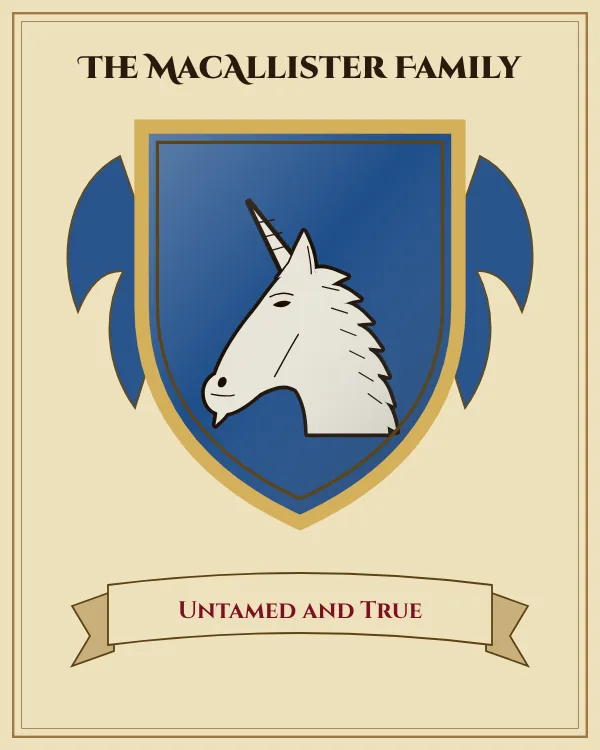
Untamed and True
Customize this crest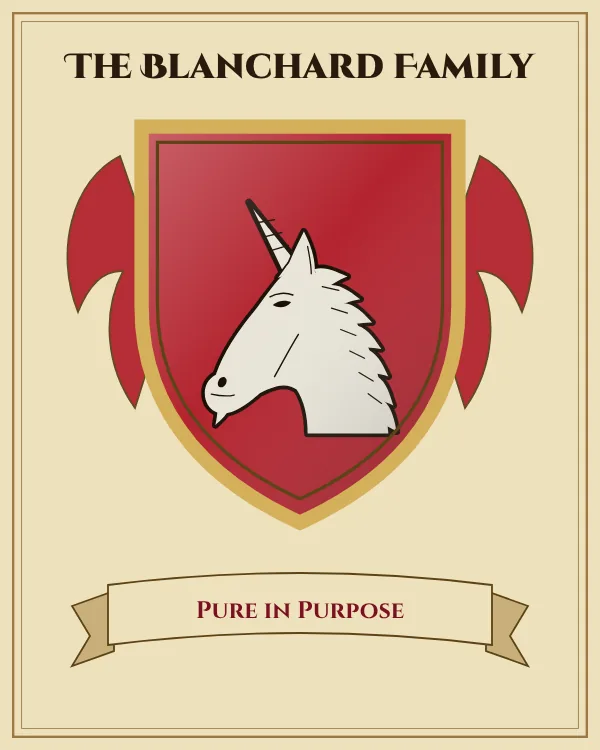
Pure in Purpose
Customize this crest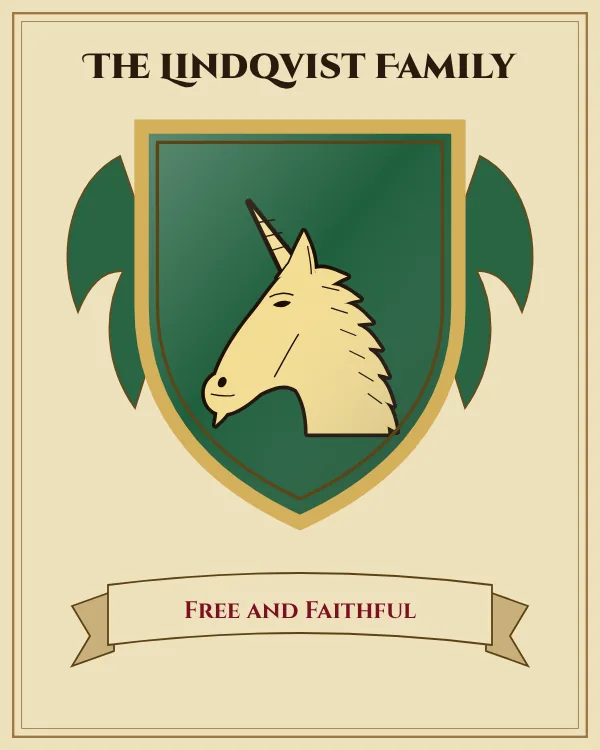
Free and Faithful
Customize this crest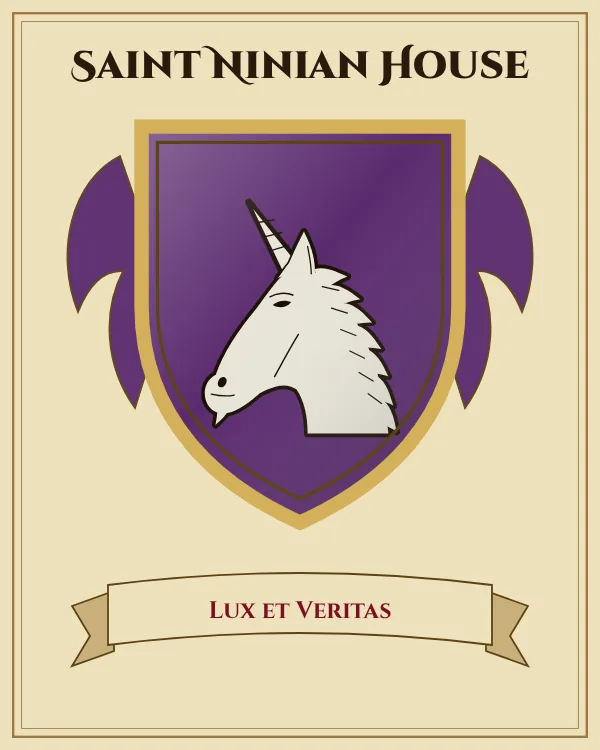
Lux et Veritas
Customize this crest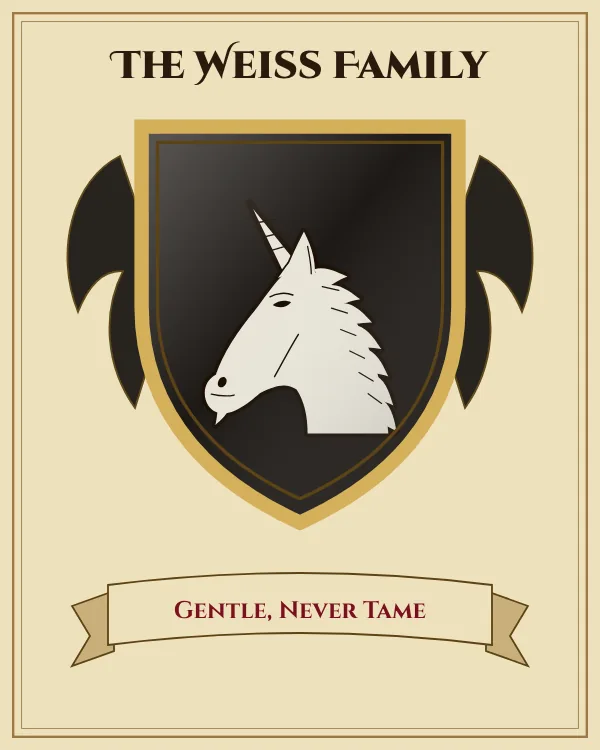
Gentle, Never Tame
Customize this crestWhat a unicorn means in heraldry
Purity, courage and a strength that cannot be tamed. In medieval stories the unicorn was fierce and impossible to capture by force, so it came to stand for something noble and free. Heraldic meanings come from later tradition rather than strict rules, but the unicorn's has stayed remarkably steady for five hundred years.
The heraldic unicorn is not quite a horse with a horn. Heralds traditionally draw it with a goat's beard, cloven hooves and a lion's tail, which is why it looks wilder and more ancient than the unicorns of modern cartoons.
Scotland and the unicorn
The unicorn is Scotland's national animal, and its place in Scottish royal heraldry goes back centuries. James I of Scotland, who reigned from 1406 to 1437, used a unicorn, and from James V onward a pair of unicorns supported the royal arms. Scotland even had a gold coin called the unicorn, first issued under James III and in circulation from 1484 to 1525.
The royal unicorns are shown crowned and wearing gold chains. A popular explanation is that only a Scottish king was strong enough to tame such a wild creature, so the chain shows power held in check rather than a prisoner.
The lion and the unicorn
In 1603 James VI of Scotland also became James I of England and Ireland. His royal arms put the English lion on one side of the shield and the Scottish unicorn on the other, and that pairing still supports the royal arms of the United Kingdom today. In the version used in Scotland, the unicorn takes the place of honor on the left as you look at it.
Designing your unicorn crest
Colors
A silver unicorn on blue is the most Scottish look, echoing the saltire flag's white on blue. Silver on red is bright and dramatic, gold on green feels like an old forest tale, and silver on purple or black looks elegant and a little mysterious. All keep the rule of tincture: a metal against a color.
Unicorn supporters
Crest Studio lets you add a pair of unicorns as supporters on either side of any shield, so you can keep a family emblem on the shield and still have unicorns standing guard.
Scottish families
If your family has Scottish roots, the unicorn is a natural choice. Pair it with a thistle or a saltire division for a design that clearly says Scotland. The Scottish family crest guide explains clan crest badges and how they differ from personal arms.
For schools, houses and storytellers
The unicorn suits school houses, book clubs and fantasy settings that want an emblem of wonder rather than war. See school house crests and the D&D coat of arms generator. For a house of wisdom instead, the owl coat of arms guide covers heraldry's great emblem of learning.
Mottos
Try Lux et Veritas (light and truth), Nemo Me Impune Lacessit (no one provokes me with impunity, the motto long associated with Scotland and the Order of the Thistle) or plain English such as "Gentle, Never Tame". The Latin motto generator has more with translations.
Questions
What does a unicorn mean on a coat of arms?
Purity, courage and a strength that cannot be tamed. In medieval stories the unicorn could not be captured by force, so it became a symbol of nobility and freedom.
Why is the Scottish unicorn chained?
The royal unicorns of Scotland are shown crowned and chained. The usual explanation is that only a Scottish king could tame such a wild creature, so the chain represents controlled power.
Why are there a lion and a unicorn on the royal coat of arms?
When James VI of Scotland also became King of England and Ireland in 1603, his arms paired the English lion with the Scottish unicorn as supporters. The pairing remains on the royal arms of the United Kingdom.
Is the unicorn the national animal of Scotland?
Yes. The unicorn has been a Scottish royal emblem for centuries and is widely recognized as Scotland's national animal.
Can I put a unicorn on my family crest?
Yes. The unicorn is a traditional heraldic creature open to anyone in an original design, either on the shield or as a pair of supporters. Just avoid copying the royal arms exactly.
Free to play, no download
Medieval games
Take a break from heraldry: eight free games, from a trebuchet siege to Viking chess. Your coat of arms rides with you in every one.
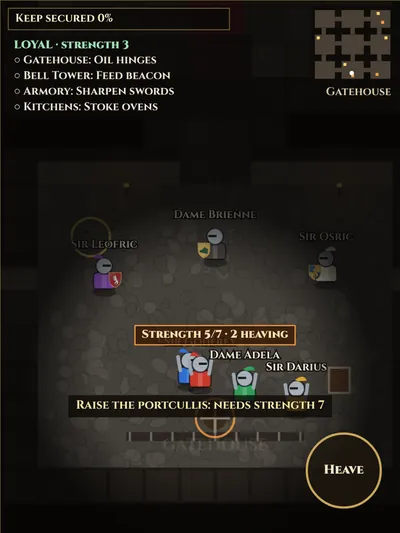 The Usurper
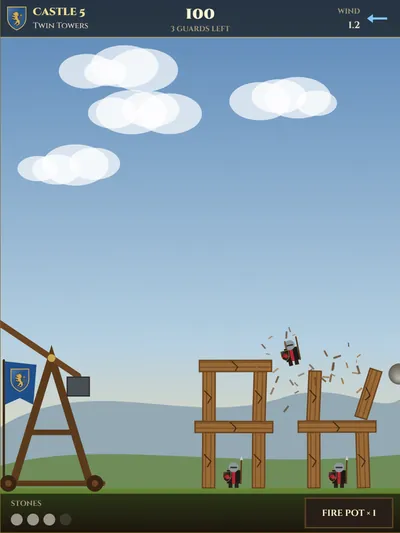 Trebuchet siege
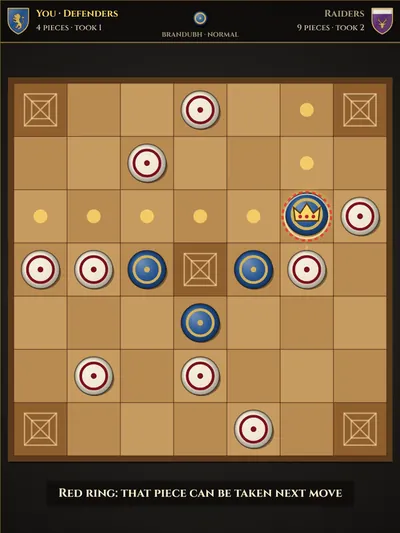 Viking chess
 Nine Men's Morris