The Usurper: Medieval Social Deduction Game
Secure the keep. Find the traitor. Banish them before it falls.
How to play
- Choose Play now for an instant match against computer knights, Quick match to join players online, or Private room to invite friends with a link or a 4-letter code.
- Most players are loyal knights. Walk the keep and finish your tasks, shown top left and as gold rings. The bar at the top fills as the keep is secured.
- Heavy tasks (raise the portcullis, hoist the great bell, lift the fallen cart) need several knights heaving at once. Every knight has a strength of 2 to 4, and the strengths of everyone heaving add up.
- One or two players are secretly the Usurper. They strike knights down when nobody is watching, douse the torches, breach the postern gate, and can join a heave while adding nothing.
- Find a fallen knight and raise the alarm, or ring the council bell in the Great Hall. The council talks, accuses and votes. Whoever gets the most votes is banished.
- Loyal knights win by securing the keep or banishing every Usurper. The Usurpers win when they match the loyal knights in number, or when the postern stays open too long.
Tips
- Watch the strength total on a heavy task. If three knights are heaving and the number is lower than their claims, someone is faking.
- Tell the council your strength. The Usurper has to guess one, and a lie can be checked at the next heave.
- Train once at the pell in the Armory for +1 strength. A knight of strength 4 makes the portcullis much easier.
- Stay in pairs. The Usurper only strikes when nobody else can see.
- When the postern is breached, run to the Gatehouse: holding it shut needs a combined strength of 5, so one knight cannot do it alone.
Where social deduction games come from
Hidden-traitor party games go back to Mafia, which Dmitry Davidoff created in Moscow in 1986 while studying psychology at Moscow State University. A small, secret group tries to remove everyone else, and the rest must work out who they are by talking and voting.
In 1997 Andrew Plotkin gave the game a werewolf theme, and the idea spread to board games and video games. The Usurper adds a twist from the medieval keep: strength you can measure. Heavy work only gets done when knights pull together, and a traitor who only pretends to pull shows up in the numbers.
More medieval games
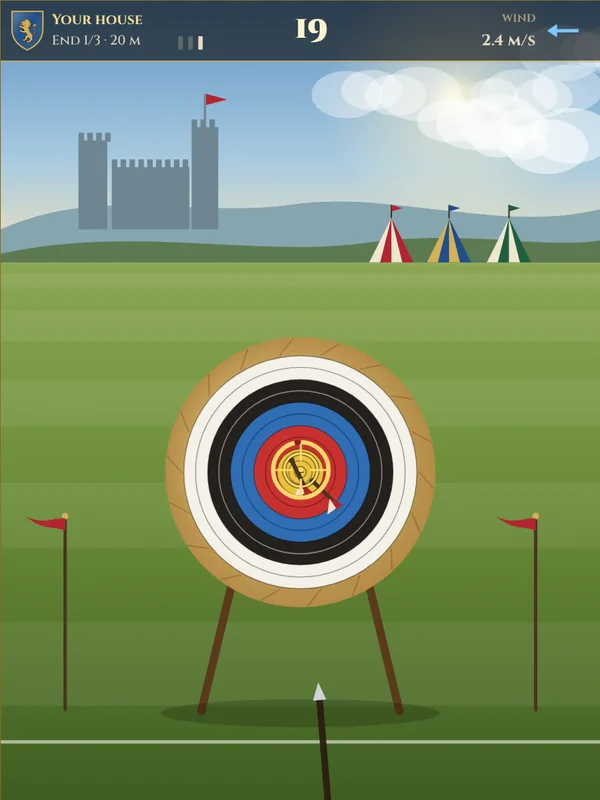 The King's Archery ContestHold to draw, aim into the wind, hit the gold.
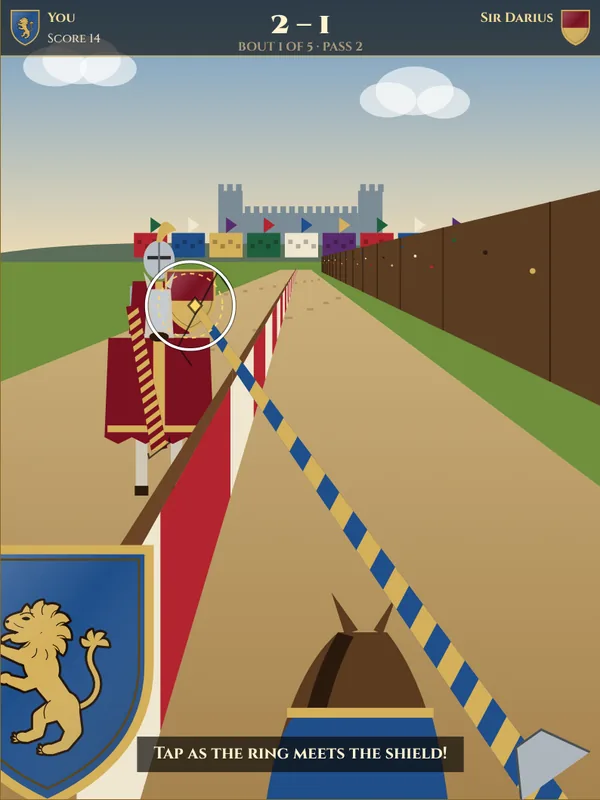 The JoustSpur, aim, strike. Unhorse five knights.
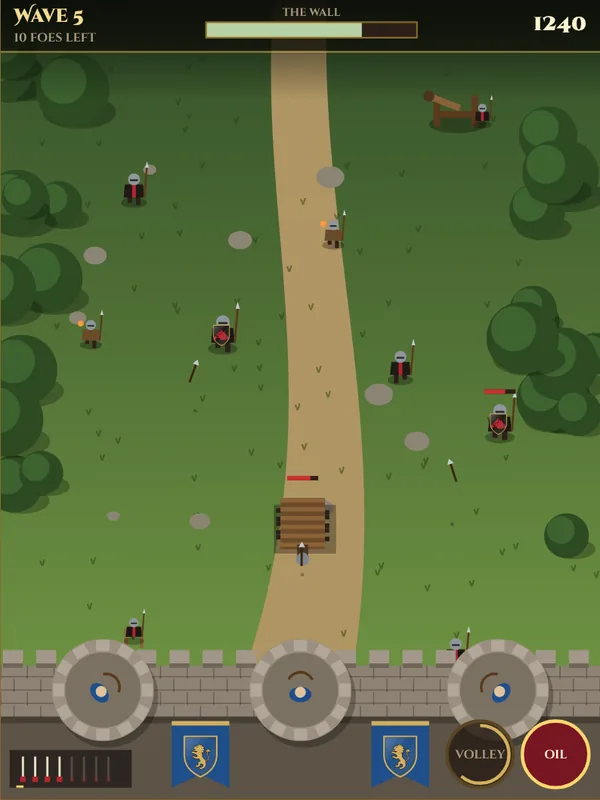 Hold the CastleLoose arrows, stop the rams, hold the wall.
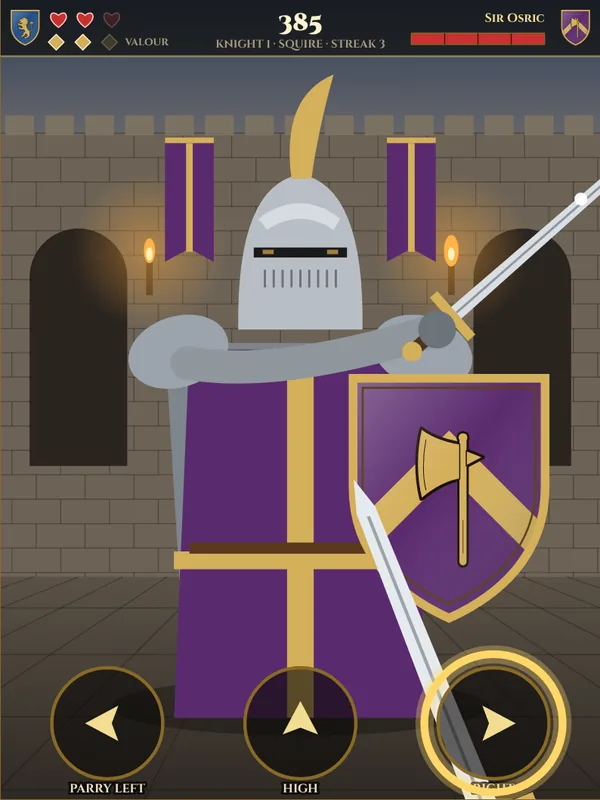 DuelRead the blade, parry, riposte. Test your reflexes.
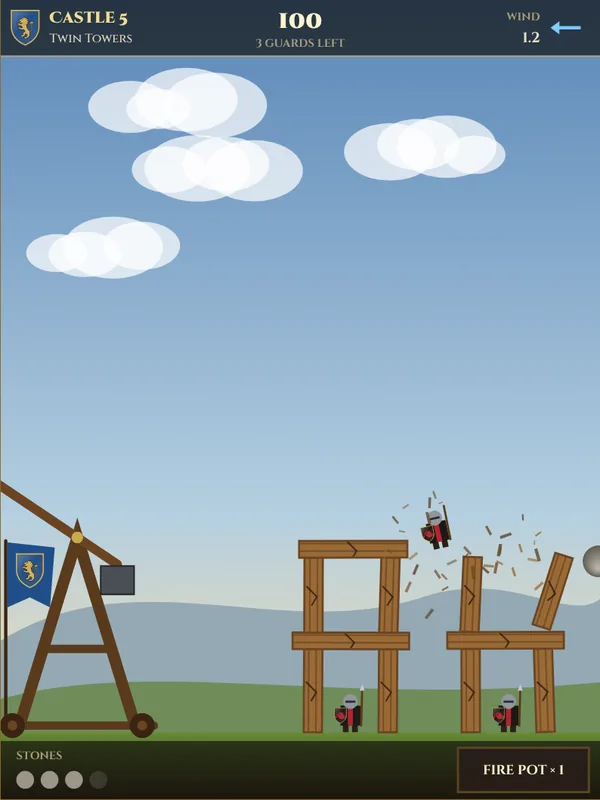 Siege: The Trebuchet GameFling stones, topple castles, win the siege.
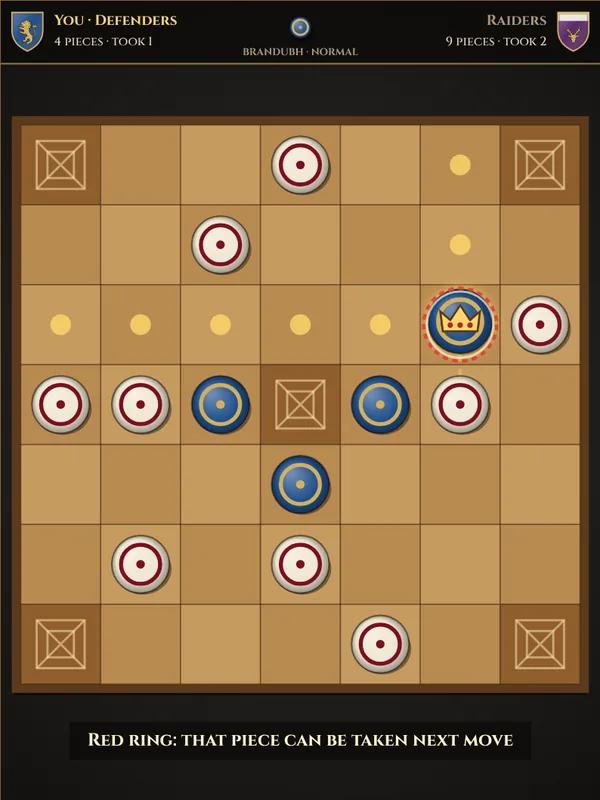 Viking Chess (Hnefatafl)Lead the king to a corner, or trap him.
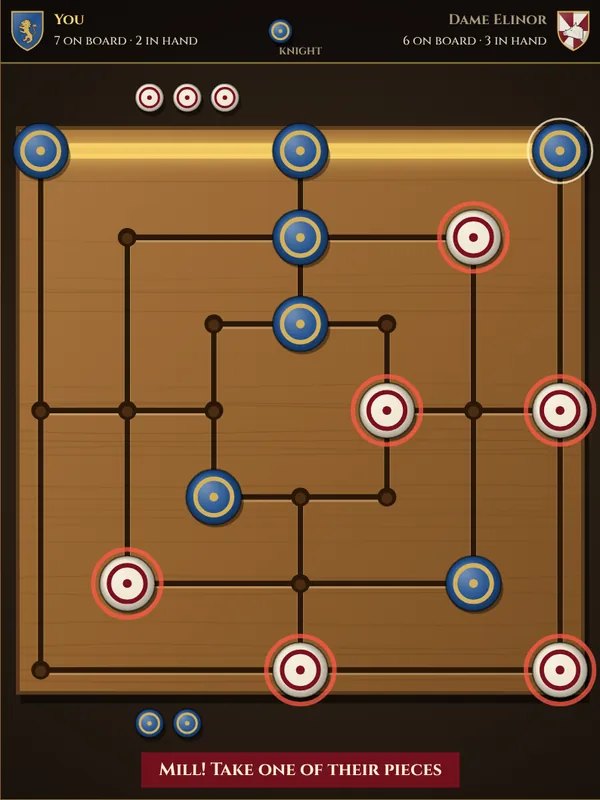 Nine Men's MorrisPlace, slide, make mills. Beat the Lord.
Questions
Is The Usurper free?
Yes. It runs in your browser on phones, tablets and computers, with no download, no account and nothing to buy.
How do I play with friends?
Choose Private room. You get a 4-letter code and an invite link to send by WhatsApp or anywhere else. Your friends open the link and join. Computer knights fill the empty seats, so even two or three friends get a full match.
Can I play alone?
Yes. Play now starts a match at once against computer knights who do tasks, heave, accuse and vote. Quick match puts you in a public room with other players, and computer knights fill the rest.
How many players?
From 4 to 10 in a match, counting computer knights. With 7 or more there are two Usurpers.
Is there chat?
In private rooms you can type freely. Public matches use quick chat only: preset lines such as where you were, who you suspect and your strength. That keeps games with strangers friendly.
Is it suitable for children?
Yes. There is no blood: a struck knight simply falls and comes back as a ghost who can still finish tasks. Public rooms have no free typing.
Do I need an account?
No. You play as a guest and your rank is kept on this device. Signing in is optional and only saves your rank and stats so they follow you to another device.
How does online play work?
One player hosts the match in their browser and the others connect to them directly. If the host leaves, the match ends, so the host should keep the page open.